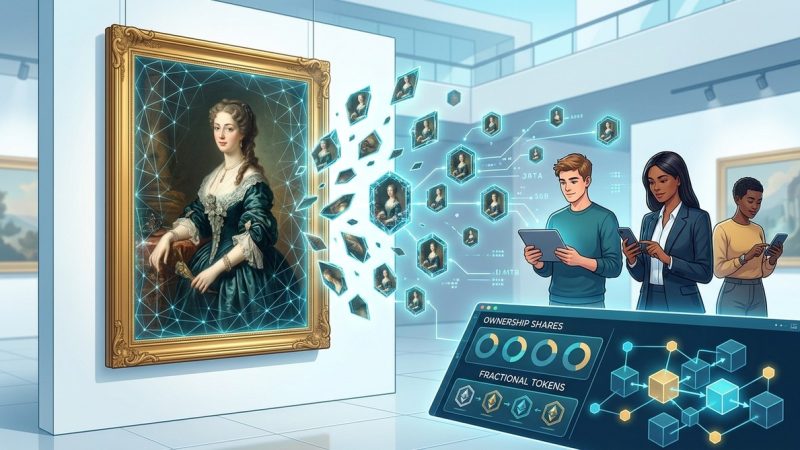
Why AI-Powered Art Curation Engines Are the Future of Digital Collecting
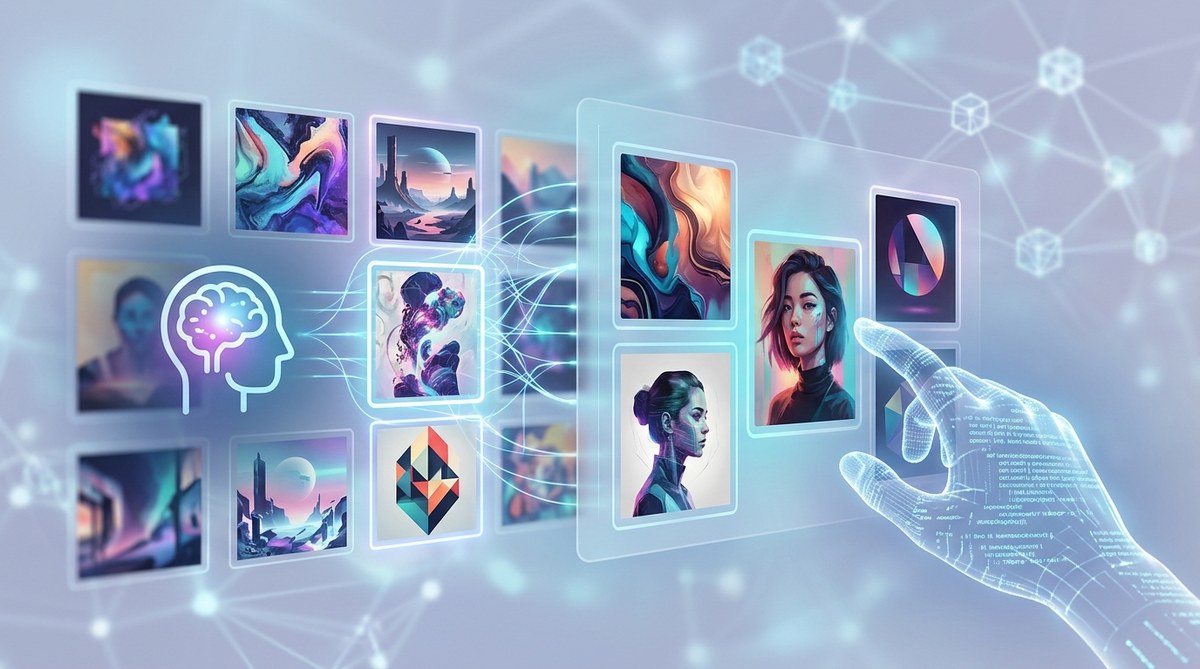
You walk into a gallery that holds millions of artworks. Every wall is stacked, every corridor overflows. You have only an hour to find pieces that matter to you. That is the reality of digital art collecting today. Since the rise of blockchain and NFTs, the volume of new digital artworks minted each month has exploded into the tens of thousands. No human eye can scan them all. That is where AI art curation engines step in. These systems act as a tireless assistant, learning your tastes, analyzing market trends, and surfacing works you would never find on your own. They are not replacing curators. They are giving them superpowers.
AI art curation engines combine computer vision, natural language processing, and on-chain data to filter thousands of digital artworks into personalized collections. For curators and collectors, they reduce noise, highlight emerging talent, and reveal hidden patterns in provenance and market behavior. The future of digital collecting depends on using AI not as a shortcut, but as a collaborative partner that respects human taste while handling the impossible scale of Web3 art markets in 2026.
What Is an AI Art Curation Engine?
An AI art curation engine is software that uses machine learning to evaluate, categorize, and recommend digital artworks. Unlike traditional recommendation algorithms that simply track your clicks, modern curation engines pull data from multiple sources. They scan visual features with computer vision. They read artist statements and descriptions through natural language processing. They track blockchain activity like sales history, wallet transfers, and secondary market liquidity.
The result is a constantly updated view of the art landscape. Instead of scrolling through endless drops on a marketplace, you see a tight selection that matches your collection strategy. Some engines even predict which pieces might appreciate in value based on artist trajectory and community engagement. This is not science fiction. In 2026, tools like these are already helping museum professionals build thematic exhibitions and helping collectors avoid costly mistakes.
Why the Old Way of Curation Falls Short
Traditional curation in physical galleries relies on a human eye and a Rolodex. That worked fine when a gallery showed fifty artists a year. In the digital world, artists mint work daily. A single generative art project can produce thousands of unique outputs. No person can evaluate each one. Relying solely on floor price or social media hype leads to collections that lack cohesion and long-term value.
The problem is not just volume. It is also context. A beautiful piece might be part of a series that has poor on-chain provenance. An artist with strong sales history might suddenly stop creating, affecting future royalties. AI engines can track these signals in real time, something human curators cannot do at scale.
How AI Curation Works: A Practical Process
Let us walk through how a typical AI curation engine processes a piece of digital art before it reaches your dashboard. These steps happen in seconds.
- Ingestion and metadata extraction. The engine pulls the artwork file, its on-chain record, and any linked metadata. It checks for proper storage on IPFS or Arweave. It verifies the smart contract address and token standard.
- Visual analysis. Computer vision models identify color palettes, composition, style, and subject matter. They compare the piece against a database of known artistic movements and genres.
- Market signals. The engine queries secondary market data: number of previous sales, price history, holder distribution, and wash trading indicators. It flags collections with suspicious volume.
- Artist reputation scoring. It aggregates the artist’s history across all chains. How long have they been minting? Do they engage with their community? Have they been involved in rug pulls or other scams?
- Personalization filter. Based on your past curations, purchases, and saved favorites, the engine ranks the work. It might also look at your collection’s thematic gaps. If you own mostly abstract pieces, it will suggest figurative works that complement your aesthetic.
This numbered pipeline makes AI curation transparent and explainable. You can see why a piece was recommended, not just that it was.
Common Mistakes to Avoid When Using AI Curation
Even the best engine can be misused. Here is a table comparing smart practices and pitfalls.
| Smart Practice | Common Mistake |
|---|---|
| Train the engine by rating recommendations often | Let the engine run on default preferences |
| Combine AI signals with your own research | Make buying decisions solely based on AI score |
| Review flagged metadata and smart contract code | Ignore warnings about centralized storage or suspicious contracts |
| Use AI to find emerging artists before they trend | Only follow high-volume collections the engine shows you |
| Periodically recalibrate your taste profile | Assume the engine knows your taste after one session |
Expert Advice: Let AI Show You the Corners
“AI will never replace the curator’s intuition, but it can eliminate the clerical work of filtering. Use it to find the pieces that make you stop. Then trust your gut on whether to buy them.”
* A digital collections advisor at a major museum, speaking at a 2026 art tech summit.
This quote captures the balance. AI curates the feed. You curate the meaning.
Tools and Techniques for AI Powered Curation
If you are ready to incorporate AI into your digital collecting workflow, these techniques will give you a head start.
- Visual similarity search. Some engines let you upload an image and find works that share its palette or composition. This is excellent for building themed sets.
- Provenance graph analysis. AI can map the chain of ownership for any token, highlighting rapid flipping patterns that suggest speculation rather than genuine collection.
- Sentiment aggregation. The engine scans Discord channels, Twitter, and art forums to measure community sentiment around an artist or drop.
- Rarity ranking based on trait rarity. For generative collections, AI can calculate statistical rarity across traits and compare it to floor price trends.
- Cross-chain portfolio dashboard. The best engines aggregate your holdings across Ethereum, Solana, Tezos, and layer 2 networks into one view, then suggest acquisitions that balance your exposure.
These techniques turn chaotic market data into an organized curation workbook.
The Future of AI Curation: What Is Coming Next
By late 2026, we are already seeing early versions of curatorial agents that can negotiate purchases on your behalf. They follow preset rules (budget, style preference, maximum gas fee) and execute buys when conditions align. These agents are not widely adopted yet, but they hint at a future where AI does more than recommend. It acts as a personal buying assistant.
We are also seeing AI models that generate contextual labels and audio guides for digital art exhibitions. Museums use them to create personalized tours for visitors. Imagine walking through a virtual gallery where the AI narrates based on your past visits. That is happening now.
On the authentication side, AI is learning to detect forgeries and manipulated metadata. It compares the visual fingerprint of an artwork against known masters. Already, collectors use these tools to screen potential purchases. The intersection of AI and blockchain is making digital collecting more transparent and accessible.
How to Start Using AI Curation Today
If you are a curator, start by integrating an AI curation tool into your daily discovery routine. Most platforms offer free tiers. Spend a week rating works and adjusting your preferences. Pay attention to what the engine surfaces that you would have missed.
If you are a collector, let AI be your first pass. Use it to filter the noise. But always conduct your own due diligence on the artist, the smart contract, and the storage solution. For example, understanding how smart contracts are revolutionizing art ownership and provenance gives you a foundation for evaluating recommendations. Equally important is knowing what happens to your blockchain art when the platform shuts down. AI cannot protect you from platform risk if you ignore decentralized storage.
Museum professionals building digital collections are also turning to AI. They use it to build blockchain art collections that are cohesive and historically significant. The same techniques apply whether you are a public institution or a private collector.
Keeping the Human in the Loop
The greatest risk of AI curation is complacency. Do not outsource your taste. The engine learns from you. If you stop engaging, it drifts. Set aside time each month to examine the recommendations critically. Ask why the engine thought a piece matched your profile. Sometimes the answer reveals a gap in your collection you had not considered.
AI also has biases. It trains on existing market data, which can favor established names over true newcomers. Counteract this by deliberately seeking out artists from underrepresented communities and genres. The engine will adapt over time.
Your Curation Practice in 2026
The art world moves fast. AI engines help you keep pace without losing your focus. Start small. Pick one platform, set up your profile, and see what it suggests. Compare those suggestions to your own research. Over weeks, you will develop a rhythm where AI handles the scanning and you handle the judgment.
The future of digital collecting is not about machines deciding what art is good. It is about machines making it possible for humans to see all the art that could be good. That clarity changes everything.
So next time you open your dashboard and see a work that makes your pulse catch, remember that a good curator is still the one who decided to click.