Soulbound Tokens Are Revolutionizing Digital Art Authentication and Membership
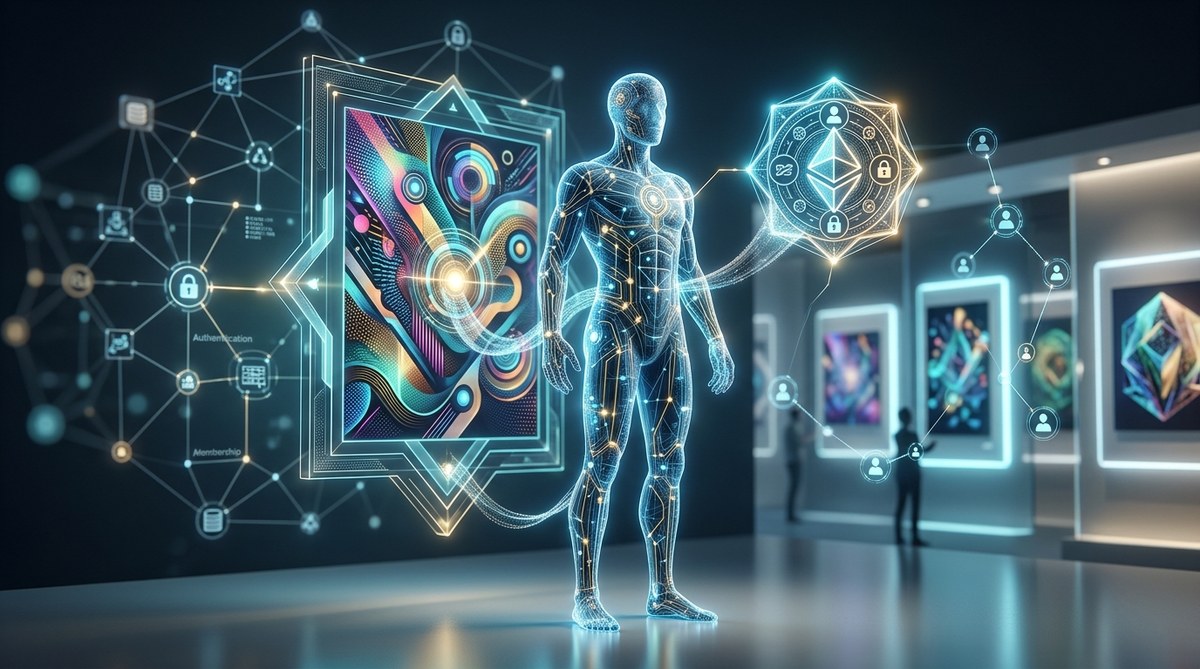
Imagine buying a digital artwork only to discover later that the provenance was faked. That fear keeps many collectors up at night. For years, the NFT space has struggled with forgeries, stolen metadata, and impersonated artists. Now a different kind of token is stepping in to fix the problem. Soulbound tokens are non-transferable by design. They are issued to a specific wallet and cannot be traded or sold. That single trait makes them perfect for verifying who created a piece of art, who owned it at each stage, and who holds membership in exclusive creative communities. Unlike regular NFTs, soulbound tokens cannot be flipped for profit. Their value comes from trust, not speculation. For artists, collectors, and curators trying to build a credible digital art ecosystem, soulbound tokens offer a way to tie identity directly to the chain.
Soulbound tokens solve the authenticity crisis in digital art by making credentials non-transferable. Unlike tradeable NFTs, SBTs stay with a wallet permanently, creating a verifiable chain of attribution for creators and collectors. They also power gated memberships, proving someone holds a role without exposing personal data. This guide explains how soulbound tokens work for art authentication and membership, with practical steps for issuing them and a comparison to traditional NFTs.
What Makes Soulbound Tokens Different from Regular NFTs
Most people understand NFTs as tradeable digital assets. You buy one, hold it, and later sell it on a marketplace. That transferability is great for collecting and speculation, but it creates problems for authentication. If an NFT can be moved between wallets, who really owns the provenance? A certificate of authenticity that can be sold is not much of a certificate.
Soulbound tokens do not move. Once issued to a wallet, they stay there. Think of them like a diploma or a professional license. You cannot hand your college degree to a friend so they can use it. The credential is tied to you. In the same way, a soulbound token that proves an artist created a specific work cannot be transferred to someone else.
This permanence changes how we think about digital art authentication. Instead of relying on a marketplace listing or a screenshot of a transaction, you can check the soulbound token on the wallet that issued it. The link between creator and artwork becomes mathematically verifiable and permanent.
How Soulbound Tokens Solve the Authentication Crisis
The digital art world has an authenticity problem. Forged collections, fake airdrops, and impersonated artists cost collectors millions every year. Traditional authentication methods rely on centralized databases or third party appraisers. Soulbound tokens offer a decentralized alternative that anyone can verify.
When an artist mints a new work, they can issue a soulbound token to their own wallet that attests to their identity. That token acts as a permanent stamp. Later, when a collector checks the artwork, they can look at the soulbound token on the artist’s wallet to confirm it came from the legitimate creator.
This process removes the need to trust a platform or a middleman. The blockchain itself becomes the record of truth. And because the soulbound token cannot be transferred, there is no risk of someone selling their identity to a scammer.
For collectors, this means more confidence before making a purchase. You can verify the artist directly. For galleries and curators, it simplifies the process of building exhibition rosters. You know the artists are who they say they are.
A Step-by-Step Process for Authenticating Art with Soulbound Tokens
If you are an artist or a platform looking to implement soulbound tokens for authentication, here is a practical workflow that works today.
-
Create a verified identity token. The artist mints a soulbound token on a compatible blockchain (Ethereum, Polygon, or a layer 2 solution) that contains their public credentials. This can include a link to their portfolio, a social media handle, or a hash of their government ID. The token is non-transferable and tied to their wallet permanently.
-
Attach the token to each artwork at mint. When the artist mints a new NFT, they include a reference to their soulbound token in the metadata. This creates a chain: the artwork points to the identity token, which points to the real person. Anyone who inspects the metadata can follow the chain.
-
Verify before buying. Collectors use a block explorer or a wallet extension to check the soulbound token linked to the artwork. They confirm that the identity token matches the artist’s known wallet. If the token is missing or points to a different wallet, the artwork may be a forgery.
-
Update credentials over time. Artists can issue new soulbound tokens as their career evolves. A token issued in 2024 might show early works, while one issued in 2026 shows gallery exhibitions and auction results. Each token adds to the artist’s on-chain resume.
This process works for individual artists and for large collections. Studios, galleries, and DAOs can issue soulbound tokens to member artists, creating a trusted roster that buyers can check.
Membership Models Powered by Soulbound Tokens
Authentication is only half the story. Soulbound tokens also enable membership systems that are transparent, portable, and private.
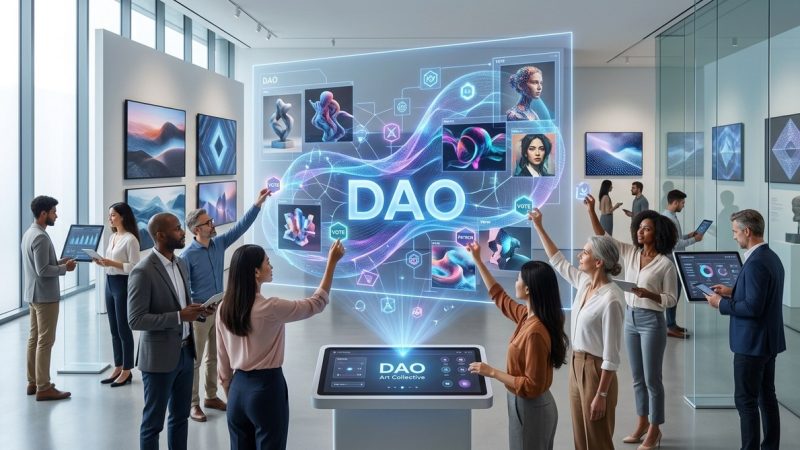
Imagine a digital art club that requires members to hold a soulbound token. Instead of using an email list or a Discord role that can be gamed, the club issues tokens to verified wallets. Membership becomes programmable. You can set rules like “only wallets holding a soulbound token issued before June 2026 can vote on the next exhibition.”
Because the tokens are non-transferable, membership cannot be bought or sold. Someone cannot pay their way into an exclusive group unless the group itself issues a token to them. This preserves the integrity of the community.
Artists can use soulbound tokens to offer patron rewards without creating a speculative market. A collector who holds an artist’s soulbound membership token might get early access to new drops or invitations to private virtual studio visits. The token proves their status without requiring personal data.
Galleries can issue soulbound tokens to accredited collectors, creating a verified list of serious buyers. When a new drop launches, the gallery can restrict minting to token holders only. This reduces bots and ensures the art reaches genuine collectors.
Soulbound Tokens vs. Traditional NFTs: A Side-by-Side Comparison
Understanding the difference between these two token types helps you decide when to use each one. The table below breaks down the key contrasts in practical terms.
| Feature | Traditional NFT | Soulbound Token |
|---|---|---|
| Transferability | Can be bought, sold, and traded freely | Permanently locked to the issuing wallet |
| Primary use case | Collecting, speculation, and display | Identity, credentials, and membership |
| Authentication value | Low; provenance can be lost through transfers | High; chain of attribution is permanent |
| Market dependency | High; value fluctuates with demand | Low; value comes from trust, not trading |
| Privacy for holders | Wallets are visible but identity is separate | Can attest to a role without revealing real name |
| Revocability | Rare; most NFTs cannot be recalled | Can be designed with revocable or permanent status |
| Best for | Artworks, collectibles, media assets | Certificates, licenses, roles, and memberships |
The two token types are not competitors. They work best together. An artist can issue a regular NFT for the artwork itself and a soulbound token for the certificate of authenticity. The collector owns the art and can trade it. The authentication stays with the artist.
Real-World Applications Already in Use
Several projects in 2026 have adopted soulbound tokens for digital art authentication and membership. Here are examples that show the range of possibilities.
- Artist identity verification. Platforms like Artifact issue a soulbound token to every artist who completes a verification process. The token is displayed on their profile and embedded in each minted work. Collectors can check the token before bidding.
- Gallery membership passes. The Decentralized Art Museum issues soulbound tokens to accredited members. Holding the token grants voting rights on exhibition selections and free entry to virtual openings.
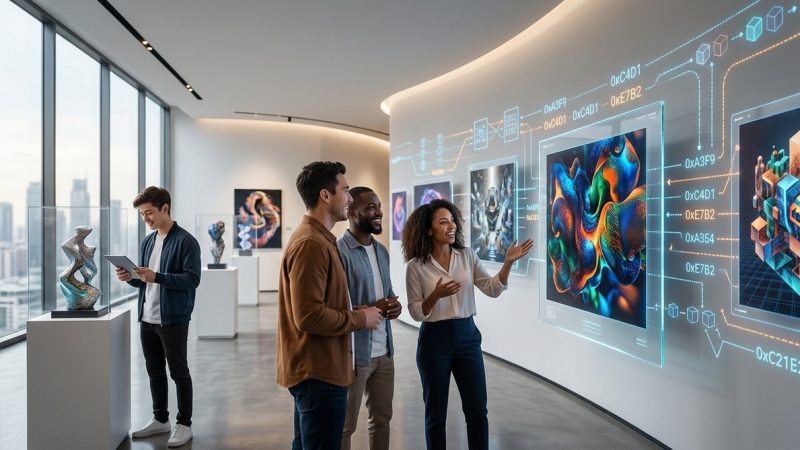
- Exhibition provenance. When a digital artwork is displayed in a group show, the curator mints a soulbound token that records the event. That token stays with the artwork’s metadata permanently, creating a public exhibition history.
- Patron rewards. A generative artist named Sofia Reyes issues soulbound tokens to collectors who have held one of her pieces for more than a year. Token holders get early access to new drops and a direct line to request custom commissions.
- DAO contributor credentials. The PixelDAO issues soulbound tokens to members who complete specific tasks like curating a collection or writing a grant proposal. These tokens are used to determine voting weight and access to treasury funds.
These examples show how soulbound tokens create trust layers that regular NFTs cannot provide.
“The most important shift I have seen in the last two years is artists treating their identity as a first class asset on chain. A soulbound token is not about money. It is about saying ‘I was here, I made this, and you can prove it forever.’ That changes the relationship between creator and collector.”
Adapted from a 2026 panel discussion on decentralized authentication at the Digital Art Fair.
Common Mistakes When Using Soulbound Tokens for Art
Even with the right tool, you can make errors that undermine the system. Avoid these pitfalls.
- Issuing a soulbound token to a wallet you do not control. If a platform mints the token and controls the private key, you do not truly own the credential. Always issue to a wallet where you hold the keys.
- Using soulbound tokens for tradeable art. Do not mint your artwork as a soulbound token if you want collectors to resell it. Use a regular NFT for the art and a soulbound token for the certificate.
- Forgetting to update metadata. A soulbound token that points to a dead link or outdated information loses its value. Use decentralized storage like IPFS or Arweave for metadata and update the content hash as needed.
- Ignoring revocability design. Some use cases require the ability to revoke a token if a member leaves a group. Plan ahead. Decide whether your token should be permanent or revocable and code that logic into the smart contract.
- Assuming one token fits all roles. An artist might need separate tokens for identity, gallery membership, and patron status. Do not cram everything into one token. Different roles deserve different credentials.
How to Issue Your First Soulbound Token for Authentication
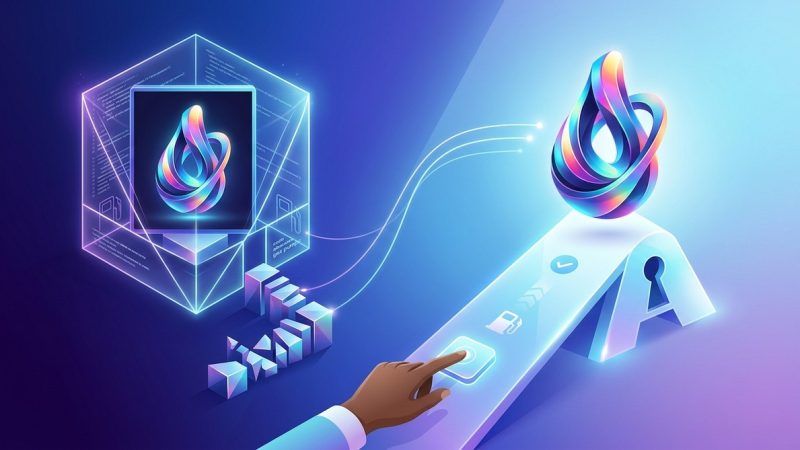
If you are ready to try this yourself, the process is simpler than you might think. Most blockchains that support smart contracts also support soulbound tokens. The key difference in the code is setting the transfer function to revert.
- Choose a blockchain that fits your audience. Ethereum and Polygon have the most tooling. Layer 2 networks like Arbitrum and Optimism offer lower fees.
- Use a standard like ERC 5192 or a custom extension of ERC 721 that disables transfers. Many developers use OpenZeppelin’s contracts with a simple override.
- Deploy the token contract and mint one token to your wallet. Include metadata that describes what the token attests to: your name, your portfolio link, and a timestamp.
- Share your token address publicly so collectors can verify. Add it to your website, your social media bios, and your marketplace profiles.
- Keep your wallet secure. Losing access means losing your identity token. Use a hardware wallet or a multi-sig setup for long term storage.
If you want to go further, consider learning about how smart contracts are revolutionizing art ownership and provenance. That guide covers the technical foundations that make soulbound tokens possible.
Why Provenance Matters More Than Ever in 2026
The art market has always run on trust. Galleries trust the authenticity of a painting because of paperwork and reputation. Blockchain changes that equation. With soulbound tokens, trust is replaced by verifiable proof. You do not need to ask someone whether an artwork is real. You can check the chain.
This shift is especially important as AI generated art becomes more common. When anyone can create convincing images, knowing the human behind the work becomes essential. Soulbound tokens provide a way to prove that a human artist created a piece, not a machine.
Museums and institutions are paying attention. Several major collections now require soulbound tokens for any digital work they acquire. They want the permanent provenance trail. If you are building a collection, you should adopt the same standard.
For a deeper look at how institutions are approaching this, read about why museums are building blockchain art collections. The same principles apply to individual collectors.
What Soulbound Tokens Mean for the Future of Membership
Membership has always been about access. A membership card gets you into the lounge, the preview, or the private sale. On the blockchain, that card is a token. But if the token can be traded, the membership becomes a commodity. That changes the nature of the community.
Soulbound tokens preserve the idea that membership is earned, not bought. You cannot transfer your club membership to someone else. You cannot sell your patron status. The token reflects your actual participation.
This model creates stronger communities. Members know that everyone else in the group earned their place. There is no pay to play path. For artists, that means their inner circle consists of genuine supporters, not speculators.
To see how this plays out in practice, check out decentralized autonomous organizations for art collectors: a beginner’s guide. DAOs are one of the biggest adopters of soulbound tokens for membership.
Building Trust That Lasts
Soulbound tokens are not a magic solution. They require careful implementation, clear communication, and community buy in. But they solve a problem that has plagued digital art since the beginning: how to prove authenticity without relying on a central authority.
For artists, they offer a way to protect their identity and build a verifiable body of work. For collectors, they provide confidence before every purchase. For galleries and curators, they simplify the hard work of verification.
The technology is still evolving. Standards are being refined. Tooling is getting better. But the core idea is solid. Non-transferable credentials on the blockchain create a layer of trust that benefits everyone in the ecosystem.
If you are serious about digital art, start experimenting with soulbound tokens today. Issue one for your own identity. Build a membership token for your community. Add authentication to your next drop. The tools are ready. The only question is whether you will use them.