Should You Insure Your Digital Collection? A 2026 Guide to Protecting High-Value NFTs and Tokenized Assets
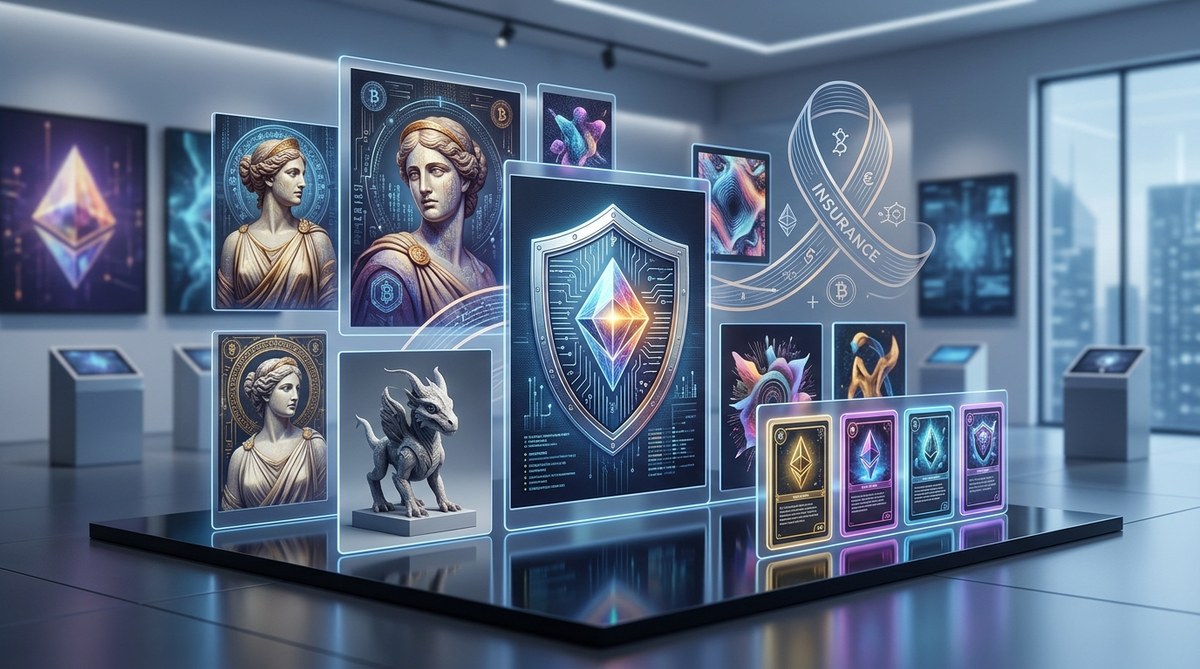
Your digital collection is growing. Maybe you own a rare CryptoPunk, a few pieces from Art Blocks, or some tokenized real estate. You have spent time curating, bidding, and storing these assets safely. But what happens if your wallet gets drained? What if the marketplace you use vanishes overnight? These questions are pushing serious collectors toward a market that barely existed a few years ago: NFT insurance.
Insuring your digital collection in 2026 is no longer optional for serious holders. Standard crypto insurance often excludes NFTs, so you need specialized policies. This guide covers the biggest risks, the types of coverage available, a step-by-step process to get insured, and the common pitfalls that cost collectors thousands. By the end, you will know exactly how to protect your portfolio.
What Makes Digital Assets So Hard to Insure
Traditional insurance works with physical goods. You can see a painting. You can lock a car in a garage. But a digital asset lives on a blockchain, which is public, transparent, and borderless. That creates a few problems for insurers.
First, proving ownership is tricky. If someone steals your seed phrase and moves your NFT to another wallet, who really owns it? The blockchain shows the transfer, but it does not reverse it. Second, valuation swings wildly. An NFT worth $100,000 today might trade for $5,000 next month. Insurers hate volatility. Third, the custody chain is messy. Was the asset in a hot wallet, a cold wallet, or on a marketplace? Each scenario carries a different risk profile.
These challenges mean that standard homeowners or renters insurance policies almost never cover NFTs. You need a policy built for the digital world.
The Five Biggest Threats to Your Collection in 2026
Before you shop for coverage, understand what you are actually protecting against. These are the risks that keep collectors up at night.
- Wallet compromise and private key theft. This is the number one cause of loss. A phishing link, a fake browser extension, or a compromised hardware wallet can drain your collection in seconds.
- Marketplace failure or exit. If a platform like OpenSea or LooksRare shuts down, your assets might still live on-chain, but the metadata, images, and utility tied to the marketplace could disappear. Some policies now cover this.
- Smart contract bugs. A flaw in the NFT contract itself could make your token unreadable or trapped. This happened with several high-profile projects in 2023 and 2024.
- Social engineering attacks. Scammers impersonate support staff, friends, or even artists to trick you into signing malicious transactions.
- Custodial risk. If you use a third-party custodian or a delegated wallet service, their failure becomes your loss.
Types of NFT Insurance Coverage Available in 2026
The market has matured. You now have several options, each with different strengths.
| Policy Type | What It Covers | Typical Cost (Annual) | Best For |
|---|---|---|---|
| Personal articles floater | Theft or loss of private keys, social engineering | 1% to 3% of asset value | Collectors with a single high-value piece |
| Custodial insurance | Hacks, insider theft, platform insolvency | 0.5% to 2% of assets under custody | Users of third-party wallet services |
| Smart contract coverage | Bugs in the NFT contract itself | Custom premium | Developers and early-stage project holders |
| Comprehensive digital asset policy | All of the above plus metadata loss | 2% to 4% of portfolio value | Serious collectors with 6-figure portfolios |
The comprehensive policies are the most popular in 2026. They bundle protection for on-chain theft, off-chain social engineering, and even storage failure of the linked media files.
How to Get Your Digital Collection Insured: A Step-by-Step Process
Getting coverage is not as simple as clicking a button. You need to prepare. Here is the process that works.
- Document everything. Create a spreadsheet with each asset, its contract address, token ID, purchase price, and current estimated value. Screenshot the transaction history. Store this file separately from your wallet.
- Get a professional appraisal. Insurers want a third-party valuation. Services like Verisart and some traditional art appraisers now offer digital asset appraisals. The cost is usually a flat fee or a small percentage.
- Choose your custody method. Most insurers require either a hardware wallet (like Ledger or Trezor) or a qualified custodian. They will not insure assets sitting on a hot exchange wallet.
- Apply with documentation. Submit your appraisal, custody proof, and asset list to a specialized insurer. Companies like Lloyd’s, Nexus Mutual, and newer players like Evertas and Coincover offer digital asset policies.
- Review exclusions carefully. Read the fine print. Some policies exclude “market volatility” or “user error.” Make sure you understand what is not covered.
A seasoned collector once told me, “The most expensive mistake is assuming your cold wallet makes you invincible.” Even hardware wallets can be compromised if you sign a bad transaction. Insurance covers the gap between perfect security and real-world behavior.
Common Mistakes That Void Your Coverage
Insurers are strict. They have seen every angle. Avoid these errors.
- Using a hot wallet for storage. If your policy requires cold storage and you keep assets in MetaMask, your claim gets denied.
- Not updating your appraisal. If your NFT triples in value and you do not update the policy, you are only covered for the old amount.
- Sharing your seed phrase. Even with a family member. Most policies explicitly exclude losses caused by voluntary disclosure.
- Ignoring metadata. A policy that covers the token but not the linked image or video file leaves you with a useless contract. Always check what “digital asset” means in the policy language.
What to Do If You Need to File a Claim
If the worst happens, act fast. Time is critical.
Start by securing the remaining assets. Move everything to a new, uncompromised wallet. Then document the incident. Take screenshots of the transaction, record the block number, and write down every step you took before the loss. Contact law enforcement, specifically the FBI’s IC3 unit if you are in the US. Most insurers require a police report.
Submit the claim with your documentation. The process can take weeks, so be patient. Some policies offer a “fast track” for claims under $50,000.
The Future of NFT Insurance and What It Means for You
The industry is still young, but it is growing fast. In 2026, we are seeing more integration between wallet providers and insurance products. Some hardware wallets now offer built-in coverage for a monthly fee. Smart contracts are also being used to automate claims. If a token is transferred to a known malicious address, the policy could pay out automatically.
For the collector, this means one thing: the window for cheap, easy coverage is closing. As the market matures, premiums will rise and underwriting will get stricter. If you own high-value digital assets, now is the time to lock in a policy.
Building a Long-Term Protection Strategy
Insurance is just one layer. A complete strategy combines coverage with good habits.
Use a hardware wallet for storage. Enable multi-factor authentication on every platform. Keep your seed phrase in a fireproof safe, not a text file. And stay informed about the latest phishing techniques. The best insurance policy in the world cannot replace the asset if you hand over your keys.
For a deeper look at how to store your collection safely, check out our guide on storage and security best practices for high-value digital collections. And if you are wondering what happens to your art when a platform disappears, read our piece on what happens to your blockchain art when the platform shuts down.
Your Collection Deserves Real Protection
You have put time, money, and passion into building your digital collection. It deserves more than a hope and a prayer. The NFT insurance market in 2026 is mature enough to offer real protection, but only if you take the right steps. Document your assets, get a proper appraisal, choose a policy that matches your risk profile, and store your keys like the valuable things they are.
Start today. Your future self will thank you.