How to Vet a Blockchain Art Project Before You Commit Your Capital

You have the capital. You have the interest. But every week, another blockchain art project launches with a polished website, a charismatic founder, and zero staying power. The difference between a savvy acquisition and a costly mistake often comes down to the ten minutes you spend before you click “buy.”
This guide is built for the cautious collector. The one who reads the fine print, checks the references, and wants to feel confident that their capital is backing something real. Let’s walk through a practical, repeatable framework you can use to evaluate any NFT project before you commit.
To evaluate an NFT project properly, you must verify the team’s identity and track record, analyze the tokenomics for sustainability, confirm real utility beyond the artwork, check the community for organic engagement, and review the smart contract for security. This five-step process protects your capital and builds a stronger collection.
Start With the Team Behind the Project
The first thing to check is who is actually building this thing. A project with anonymous founders is a project that carries significant risk. You would not hand your money to a stranger in a parking lot. The same logic applies here.
Look for verified social media accounts that have existed for more than a few months. Check if the team members have a history of shipping products, whether in Web3, traditional art, or software development. A quick search for their names plus “scam” or “rug pull” can reveal past controversies.
Do the founders appear in interviews or community calls? Are they willing to put their faces and reputations on the line? If the project’s leadership hides behind cartoon avatars and refuses to do live Q&A sessions, that is a red flag worth paying attention to.
You can also verify the team’s credentials on platforms like LinkedIn or GitHub. A legitimate artist or developer usually has a trail of work you can review. If the project is tied to a well-known gallery or institution, even better. You can read more about how museums are building blockchain art collections to understand what institutional validation looks like.
Check the Tokenomics and Supply Structure
An NFT project’s economics will tell you whether it is built for long-term collecting or short-term speculation. Tokenomics is just a fancy word for how the tokens are created, distributed, and valued over time.
Ask these questions:
- What is the total supply of tokens or editions?
- Are there unlock mechanisms or scheduled releases that could dilute the value of early pieces?
- Does the project reserve a large percentage of the supply for the team or investors?
- Are there royalty structures built into secondary sales that benefit the artist?
A healthy project typically has a transparent breakdown of where every token goes. You should be able to find this in a whitepaper or a clear section of the website. If the team holds more than 20 percent of the supply, you need to understand their vesting schedule. Tokens that unlock all at once can crash the market when insiders decide to sell.
For a deeper look at how royalties and artist compensation work in this space, check out our guide on royalties and rights in blockchain art.
Look for Real Utility, Not Just Hype
Some of the most expensive NFT projects ever sold had no utility at all. They were pure art. And that is fine. But if a project promises utility, you need to verify that the utility actually exists and works.
Utility can mean many things. It might be access to a private community, a physical print that ships with the token, voting rights in a DAO, or staking rewards. The key is to ask: is this utility live right now, or is it a roadmap promise?
Roadmaps are not guarantees. A project that promises a metaverse gallery, a token-gated social club, and a play-to-earn game within six months is likely overpromising. Check the project’s history of delivery. Have they shipped any of their previous milestones? You can use a blockchain explorer to verify that the smart contract functions as described. If the utility involves a token-gated experience, test it yourself by asking a community member to show you how it works.
Assess the Community Quality
Community size is a vanity metric. You can buy followers for pennies. What matters is engagement.
Join the project’s Discord or Telegram server. Lurk for a few days. Pay attention to the tone of conversation. Are people asking thoughtful questions about the art and the technology? Or is the chat dominated by price speculation and “when moon” messages?
A healthy community will have active moderation, regular events like artist AMAs, and members who share their collections and discuss the work itself. Look for signs of organic growth, such as members who reference specific pieces by name or share their own photography of physical prints.
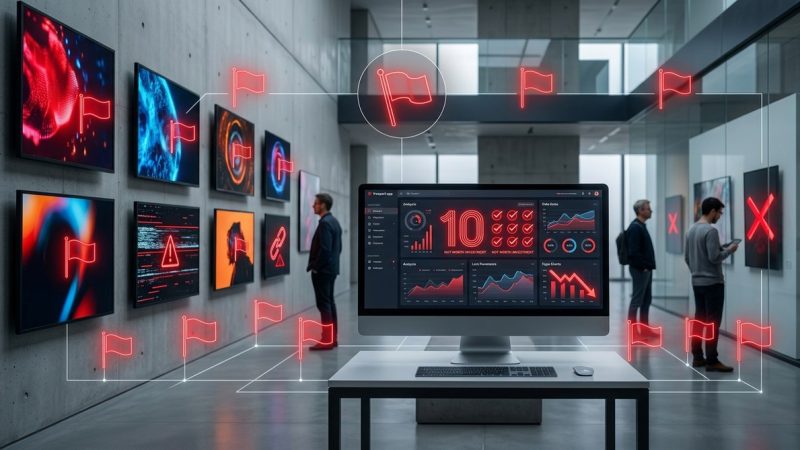
Be wary of communities that ban criticism or delete questions about tokenomics. Transparency should be the default, not something you have to fight for. For more on what to watch for, read our article on 7 red flags every digital collector should watch for before buying.
Read the Smart Contract (or Get Someone to Read It for You)
This step sounds technical, but it is one of the most important parts of learning how to evaluate an NFT project. The smart contract is the code that governs the behavior of the NFT. It determines royalties, transfer restrictions, and whether the project can be shut down by the creator.
You do not need to be a Solidity developer to do basic checks. Start by finding the contract address on the project’s website or on Etherscan. Look for verified source code. If the project uses a proxy contract or an upgradeable pattern, that means the team can change the rules after you buy. Some collectors avoid upgradeable contracts for this reason.
Services like OpenZeppelin offer audits for popular contract standards. If the project has a published audit from a reputable firm, that is a strong signal. If the contract has never been audited, consider that a risk factor.
You can also check for known vulnerabilities by searching the contract address on platforms like Dune Analytics or TokenSniffer. These tools can flag suspicious functions like blacklist capabilities or infinite mint functions.
Use a Scoring Framework to Compare Projects
To make your evaluation consistent across different projects, use a simple scoring table. Rate each category from 1 to 5, with 5 being the best. This helps you compare projects side by side without getting swept up in hype.
| Category | What to Look For | Red Flag |
|---|---|---|
| Team | Doxxed founders with track records | Anonymous or new accounts |
| Tokenomics | Clear supply, reasonable team allocation | Hidden or unlimited supply |
| Utility | Live, working features | Vague roadmap promises |
| Community | Engaged, thoughtful discussion | Price talk only, no moderation |
| Smart Contract | Audited, non-upgradeable | No audit, upgradeable proxy |
A project that scores a 4 or 5 in every category is a strong candidate. A project with multiple 1s or 2s should probably be a pass, no matter how good the art looks.
Common Mistakes New Collectors Make
It helps to know what pitfalls others have stumbled into. Here are the most frequent errors people make when they evaluate an NFT project:
- Confusing social media follower count with real community interest
- Believing that a famous brand partnership guarantees the project’s success
- Ignoring the smart contract because “it’s too technical”
- Buying based on floor price speculation instead of artistic or utility value
- Assuming that a high minting price means the project is legitimate
Each of these mistakes has cost collectors real money. The good news is that they are all avoidable with a little discipline.
When to Walk Away
Sometimes the smartest move is to do nothing. If a project makes you feel rushed, if the team gets defensive when you ask basic questions, or if the tokenomics seem too good to be true, trust your gut.
The blockchain art market in 2026 offers more choices than ever. There will always be another drop, another collection, another opportunity. Your capital is a tool. Use it only when the evidence lines up.
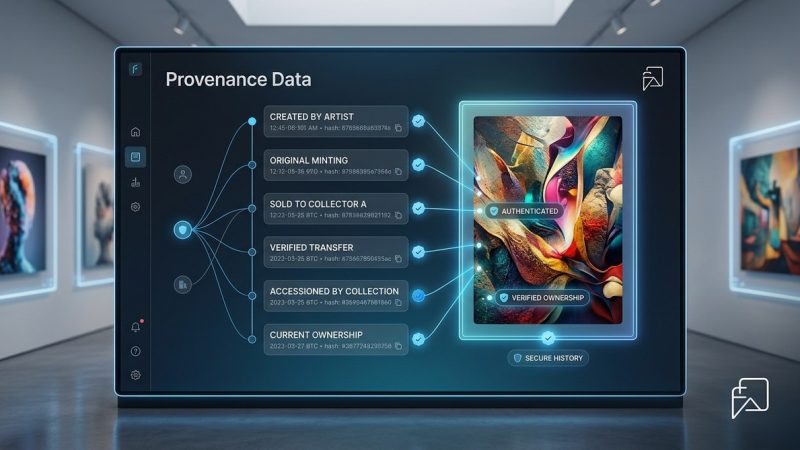
“The best collectors I know treat their digital art acquisitions like museum curators. They research the artist, verify the provenance, and only buy what they understand. That discipline is what separates a collection from a pile of speculative tokens.” – A veteran digital art advisor
Build Your Evaluation Habit
The goal is not to become paranoid. It is to become informed. Every time you evaluate a project using this framework, you train your eye to spot quality faster.
Start with one project this week. Run it through the five steps. Score it. Then decide. Over time, you will develop an instinct for which projects have staying power and which ones are just noise.
If you want to go deeper, our guide on what makes a digital collection blue-chip breaks down the long-term value indicators that institutional collectors use. And for those ready to build a full portfolio, building your first NFT art portfolio offers a step-by-step strategy.
Your Next Move
You now have a repeatable system for evaluating any NFT project. The next time you see a collection that catches your eye, pull up this framework. Check the team. Study the tokenomics. Test the utility. Read the room. Scan the contract. Score it honestly.
That small investment of time will protect your capital and help you build a collection you can feel proud of, whether the market is up or down. Happy collecting.