What Happens to Your Digital Art When a Blockchain Platform Shuts Down?
Understanding what happens to your digital art when a blockchain platform shuts down is crucial for artists, collectors, and enthusiasts. As blockchain technology continues to reshape the art world, concerns about platform longevity and asset security grow. If you hold digital art on a platform that disappears or ceases operation, knowing the potential outcomes and protective strategies can save you from losing access or ownership. This guide breaks down the long-term implications and offers practical steps to safeguard your digital collection.
When a blockchain platform shuts down, [digital art assets](https://www.who.int/news-room/fact-sheets/detail/digital-health) may become inaccessible or lose their verifiable ownership. To prevent this, collectors should understand storage methods, the role of smart contracts, and best practices for safeguarding digital assets for the long term.
The core of digital art on the blockchain
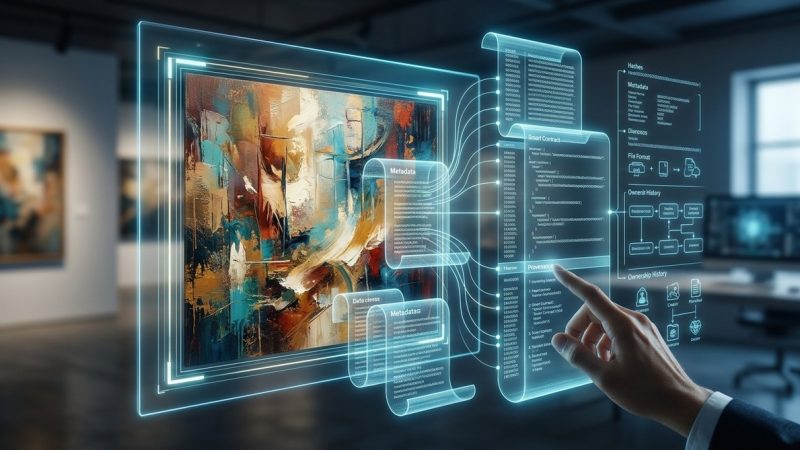
Digital art assets stored on blockchain platforms are often associated with non-fungible tokens (NFTs). These tokens point to ownership and can include metadata, provenance, and sometimes the actual digital file. However, it’s essential to understand that what truly resides on the blockchain is often the token and its associated data, not necessarily the digital art file itself.
Most NFTs are linked to external storage solutions. This means that the token acts as a certificate of authenticity or ownership, while the actual file may be stored elsewhere. When a platform hosting these tokens shuts down, the consequences depend on how and where the digital art is stored.
What happens during a platform shutdown?
When a blockchain platform ceases operations or goes offline, several scenarios can unfold for digital art assets:
- Access to the marketplace disappears. You may no longer be able to display, sell, or transfer your NFTs via that platform.
- Smart contracts remain on the blockchain, maintaining proof of ownership and provenance, but the platform’s interface or services may be gone.
- Digital files stored externally may become inaccessible if stored on centralized servers or third-party hosting services that are no longer available.
- Ownership might still be technically intact if the tokens and their metadata are stored on a decentralized network, but retrieving the actual digital file could be problematic.
The key issue is whether the digital files and metadata are stored in a resilient manner. If they depend solely on the platform’s infrastructure, losing access to that infrastructure can jeopardize your collection.
Storage methods that keep your art safe
Understanding and choosing the right storage methods can make a big difference in long-term preservation. Here are some of the most reliable techniques:
- Decentralized storage solutions. Platforms like IPFS (InterPlanetary File System) or Arweave distribute data across multiple nodes, reducing the risk of data loss.
- Self-hosted storage. Artists and collectors can host files on personal or reputable cloud services with proper backups.
- On-chain storage. While expensive, some digital artists embed art directly into blockchain transactions or smart contracts, ensuring permanence.
- Hybrid approaches. Combining on-chain metadata with decentralized off-chain storage offers a balance of security and cost-efficiency.
Choosing storage methods that rely on decentralized networks or local backups ensures your digital art survives platform shutdowns.
Practical steps to secure your digital art
Protecting your collection from potential platform failures involves proactive measures. Here are five practical processes:
- Verify storage locations. Confirm where your digital files are stored. Are they on a decentralized network or a centralized server? Use tools to check accessibility.
- Backup metadata and files. Save copies of all metadata, including token IDs, provenance records, and the actual digital files, in multiple secure locations.
- Use smart contracts with embedded files. When minting NFTs, consider embedding art directly into smart contracts or using platforms that support on-chain storage.
- Utilize decentralized storage services. Store files on IPFS or Arweave, and ensure your NFTs point to these resilient storage solutions.
- Stay informed about platform stability. Keep abreast of the status of the platforms you use, including any announced shutdowns or outages, and plan migration if necessary.
By taking these steps, you decrease the risk of losing access or ownership rights when platforms cease to operate.
The importance of provenance and smart contracts
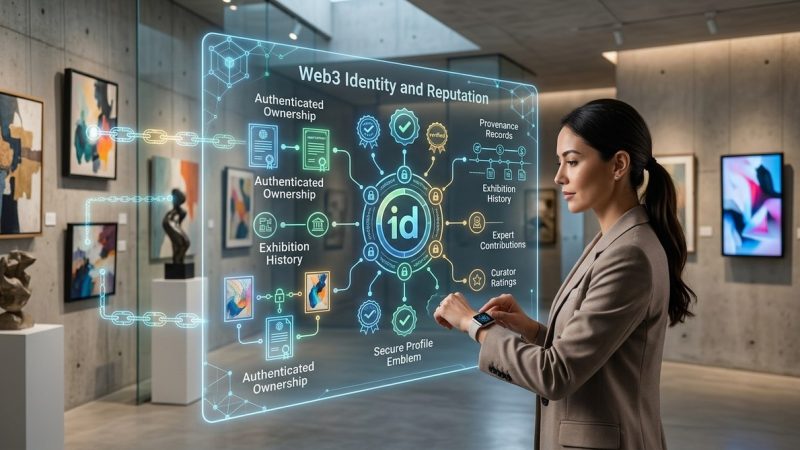
Ownership proof in blockchain art relies heavily on smart contracts. These programs encode the terms of ownership, royalties, and transferability. In the event of platform shutdowns, smart contracts remain on the blockchain, acting as unchangeable records.
An expert advises, “Smart contracts are the backbone of long-term ownership. Even if a marketplace closes, the contract’s data can still verify who owns what, provided the associated files are stored securely.”
However, the smart contract alone does not guarantee the digital file’s survival. It’s essential to link the contract to decentralized storage or embed the file itself into the blockchain.
Viewing and accessing your art after a shutdown
Once a platform shuts down, viewing your digital art depends on how well it’s stored. If files are on decentralized networks, you can access them through compatible IPFS gateways or Arweave explorers. If stored on centralized servers, access might be lost.
Some platforms offer migration tools to transfer assets to new storage locations or platforms. Always check for such options if a platform announces closure.
Recovery and insurance options
While insurance policies for digital assets are still emerging, some providers now offer coverage for online storage and digital theft. In case of a platform shutdown, recovery options include:
- Transferring tokens to another wallet or platform.
- Using backup copies to restore files.
- Engaging with community or platform support for migration or recovery assistance.
Understanding your options beforehand can save time and minimize loss during unexpected shutdowns.
How to prepare before a platform shutdown occurs
Preparation is vital. Here are essential actions:
- Regularly check the platform’s status and updates.
- Ensure your files are stored in decentralized or personal storage solutions.
- Maintain multiple backups of all related metadata and files.
- Verify that your NFTs point to resilient storage solutions.
- Stay engaged with the community and platform announcements.
Proactive management minimizes risks and ensures your collection remains accessible regardless of platform status.
Long-term collection strategies for peace of mind
To build a resilient digital art collection, consider these collection strategies:
- Prioritize platforms that support on-chain storage or decentralized hosting.
- Diversify storage solutions across multiple networks.
- Regularly transfer and update your assets to maintain control.
- Keep detailed records of ownership, provenance, and storage locations.
- Invest in education about blockchain technology and its evolving infrastructure.
Taking these steps helps protect your assets against unforeseen platform closures.
What the future holds for blockchain art infrastructure
The landscape continues to evolve. Developers are working on solutions like decentralized storage, cross-chain interoperability, and improved smart contract standards. Industry leaders emphasize the importance of user-controlled storage and resilient infrastructure.
As the industry matures, best practices will include comprehensive on-chain storage and community-driven solutions. Staying informed and adaptable remains your best defense against potential disruptions.
Final thoughts: safeguarding your digital art journey
Understanding what happens when a blockchain platform shuts down empowers you to take control of your digital assets. By choosing decentralized storage, verifying your metadata, and staying engaged, you can ensure that your digital art remains accessible and verifiable for years to come. Think of it like maintaining a physical collection — regular backups and secure storage are key. Embrace these practices, and your digital art collection can withstand the test of time, regardless of platform changes.
Securing digital art for the long haul
Building a digital collection that endures requires careful planning and active management. As blockchain technology advances, so do the tools for preservation. Making informed choices about storage, ownership verification, and platform engagement ensures your art remains yours. Stay curious, keep learning, and apply these strategies to protect your digital assets today. Your collection is a digital legacy worth safeguarding.