Exploring the Future of Digital Art Markets with Blockchain Innovation in 2026
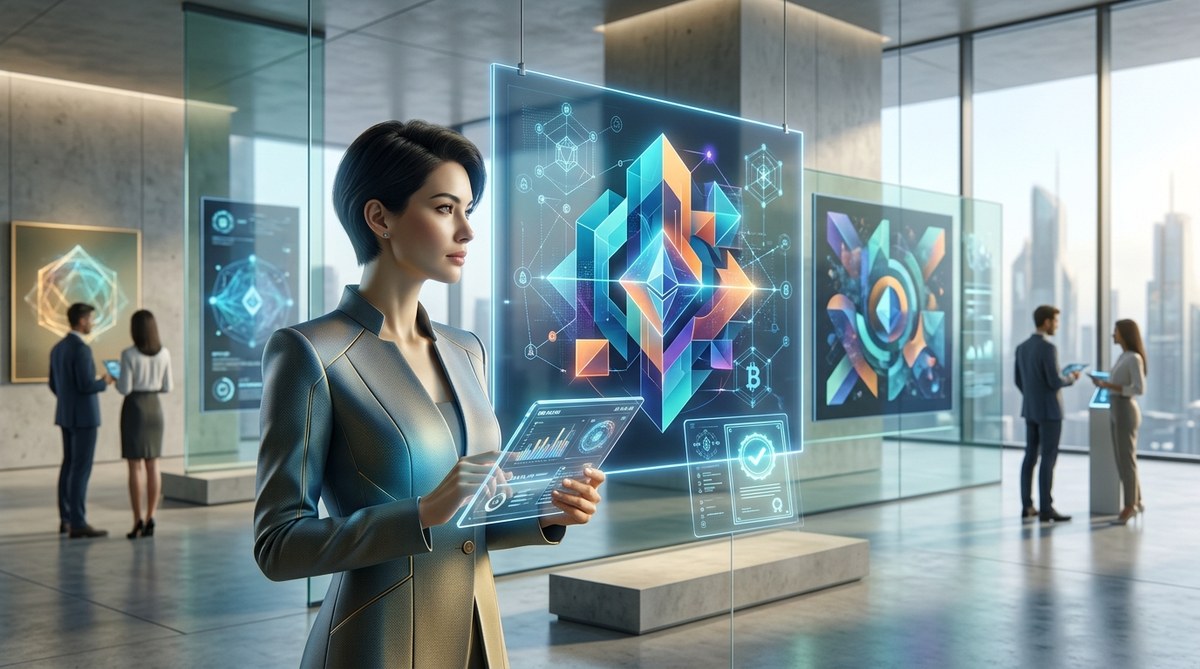
Digital art markets are undergoing a rapid transformation in 2026, driven by the innovative power of blockchain technology. From new ways to authenticate and prove ownership to evolving marketplaces and investor strategies, blockchain is reshaping how digital art is created, bought, and sold. For tech-savvy enthusiasts and artists alike, understanding these shifts is key to navigating a landscape that blends creativity with cutting-edge tech. This guide breaks down the current state of blockchain-enabled digital art markets, offering practical insights into how they will evolve this year and beyond.
In 2026, blockchain technology continues to revolutionize digital art markets by enhancing provenance, enabling new collection models, and fostering sustainable growth. Artists and investors who understand these innovations will shape the future of digital creativity and ownership.
Understanding the Current Landscape of Blockchain and Digital Art in 2026
Blockchain technology has moved past its early hype phase and is now central to the functioning of digital art markets. Its core contributions include secure provenance tracking, fractional ownership, and transparent royalty distribution. Major galleries, museums, and collectors now incorporate blockchain-based assets into their portfolios, making digital art a mainstream asset class. As a result, artists gain more control over their work, and collectors benefit from increased security and liquidity.
The rise of specialized platforms that combine blockchain and digital art has accelerated. These platforms facilitate minting, trading, and displaying digital art in ways that were unthinkable a few years ago. Technologies like Layer 2 scaling solutions reduce transaction fees, making blockchain-based collecting more accessible. Meanwhile, advances in decentralized storage ensure that digital art remains preserved and accessible long-term.
How Blockchain Is Shaping Digital Art Markets in 2026
Provenance and Authenticity Reinvented
Provenance verification is the backbone of trustworthy digital art markets. Blockchain provides an immutable record of ownership and transaction history. This transparency significantly reduces forgeries and disputes. Many artists now embed smart contracts into their works, guaranteeing royalties for secondary sales and ensuring that creators are compensated automatically.
New Collection Models and Marketplaces
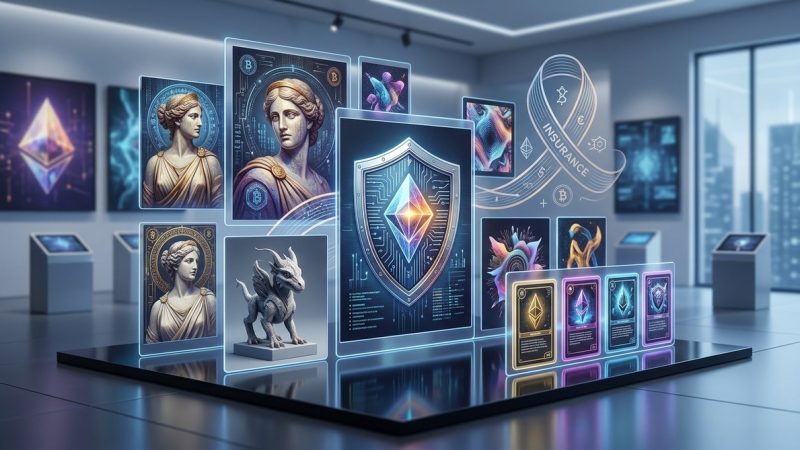
In 2026, collectors are adopting diverse strategies enabled by blockchain. Fractionalized NFTs allow ownership shares, expanding access and liquidity. Curated marketplaces, often governed by decentralized autonomous organizations (DAOs), create community-driven environments that foster trust and engagement. These platforms often feature curated digital exhibitions, blending museum-like curation with transparent transaction history.
Utility and Interactivity Increase
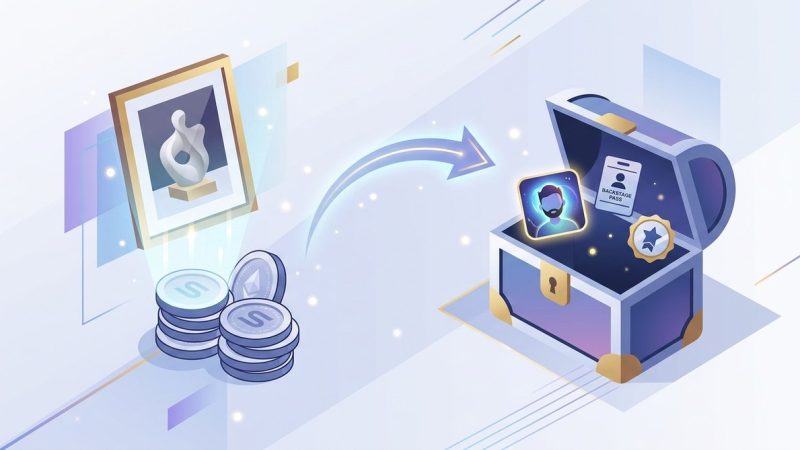
NFTs are evolving beyond static images. Utility tokens and dynamic NFTs enable artworks to change over time or interact with external data. For example, digital pieces can now incorporate real-world events, making collections more engaging and valuable. Artists leverage smart contracts to embed royalties, ensuring ongoing revenue streams.
Institutional Adoption and Mainstream Recognition
Major institutions, including museums and cultural foundations, have begun building blockchain-based collections. They see blockchain as a tool for preservation and engagement. This institutional backing lends legitimacy and stability to the digital art markets and encourages more traditional investors to participate.
Practical Steps for Navigating Digital Art Markets Blockchain 2026
If you’re interested in building or expanding a digital art collection, consider these steps:
-
Research Platforms Carefully: Identify reputable platforms with strong security and transparent provenance records. Look for those that support Layer 2 solutions to reduce costs.
-
Understand the Underlying Blockchain: Ethereum remains dominant but explore alternatives like Solana or Tezos, which offer lower fees and eco-friendly consensus mechanisms.
-
Verify Art Authenticity: Use blockchain-based provenance tools and consider expert authentication. Remember that smart contracts can embed authenticity data directly into the token.
-
Invest in Education: Stay current with emerging trends like dynamic NFTs, utility tokens, and cross-chain compatibility. Follow industry leaders and participate in online communities.
-
Secure Your Digital Assets: Use hardware wallets or custodial services specializing in blockchain assets. Safeguarding private keys is critical to prevent theft or loss.
-
Engage with Galleries and Institutions: Attend digital art fairs and museum exhibitions that incorporate blockchain. Building relationships can lead to exclusive access and insights.
-
Consider Fractional Ownership: Use platforms that allow shared ownership of high-value works, making investments more accessible and diversified.
Practical Techniques and Common Mistakes
| Technique | Description | Mistake to Avoid |
|---|---|---|
| Provenance tracking | Verify history before purchase | Relying solely on platform reputation |
| Cross-chain trading | Use bridges to diversify assets | Falling for scams during transfers |
| Dynamic NFTs | Invest in artworks that evolve | Ignoring the smart contract details |
| Secure storage | Use hardware wallets | Leaving private keys unsecured |
Tips for Building Long-Term Value
- Focus on artists with a strong community or emerging reputation.
- Prioritize works with embedded utility or interactivity.
- Diversify across different blockchain platforms.
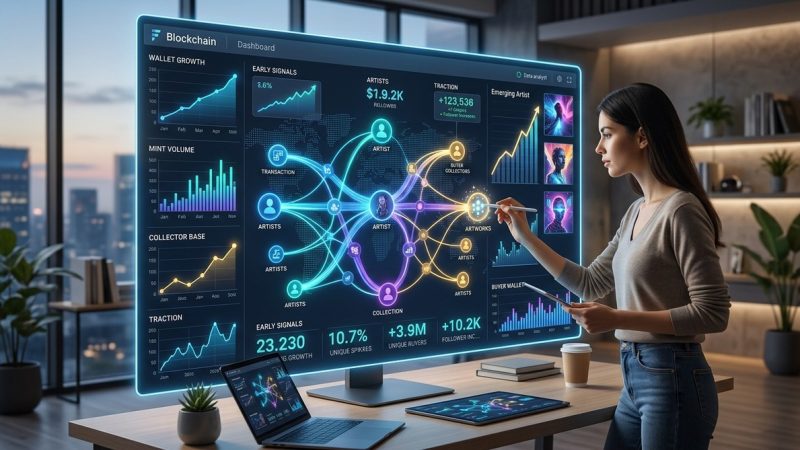
- Follow market analytics to identify undervalued assets.
- Keep an eye on technological developments like zero-knowledge proofs for privacy.
“Understanding the tech behind digital art is essential. It offers not only security but also new opportunities for engagement and revenue,” advises digital curator Jamie Lin.
The Future of Digital Art Markets and Blockchain Innovation
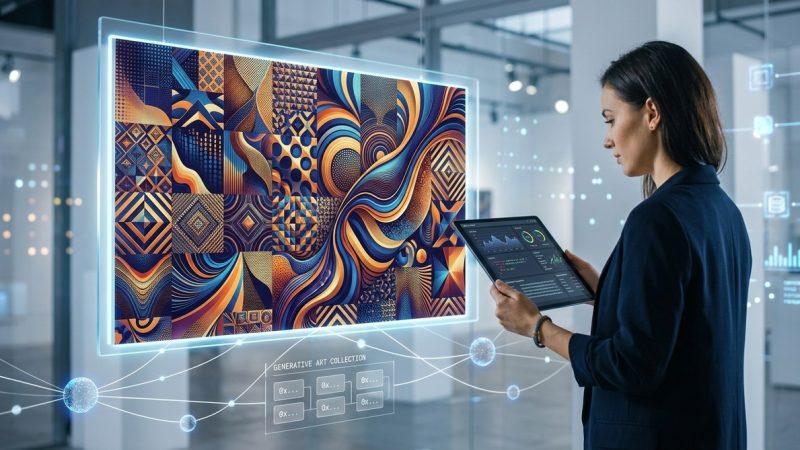
In 2026, the trajectory points toward increasingly sophisticated ecosystems. Mainstream museums and galleries are integrating blockchain into their collections. Digital artists are experimenting with generative art, AI collaboration, and immersive experiences that leverage blockchain for authentication and provenance.
As markets mature, we can expect standardization in royalty enforcement, better interoperability across platforms, and more sustainable practices, such as eco-friendly blockchains. The rise of fractional ownership and shared collections will democratize access further, making digital art an integral part of personal and institutional portfolios.
The ongoing evolution of blockchain technology will also address current challenges, such as high transaction fees and platform centralization. Layer 2 solutions and decentralized storage will continue to make digital art more accessible and resilient.
Nurturing Your Digital Art Journey in a Blockchain World
Whether you’re an artist, collector, or investor, staying informed about these shifts is vital. By understanding how blockchain is transforming digital art markets in 2026, you position yourself to make smarter decisions and contribute to this vibrant ecosystem. Embrace new collection models, leverage technological tools, and engage with communities to build a meaningful presence in the future of digital art.
Embracing Innovation in Digital Creativity
The landscape of digital art markets on blockchain platforms is vibrant and full of opportunity. As the technology advances, so do the ways to create, authenticate, and collect digital works. Use this year to deepen your understanding, refine your strategies, and participate actively. The future belongs to those who adapt and innovate in this new creative frontier.