How Zero-Knowledge Proofs Are Unlocking Private Art Transactions on the Blockchain
Imagine buying a high value artwork and having the entire world see exactly how much you paid for it. That is the reality of public blockchains. Every transaction, every wallet balance, every transfer sits out in the open for anyone with a block explorer to view. For art collectors and galleries who value discretion, that level of transparency is a deal breaker.
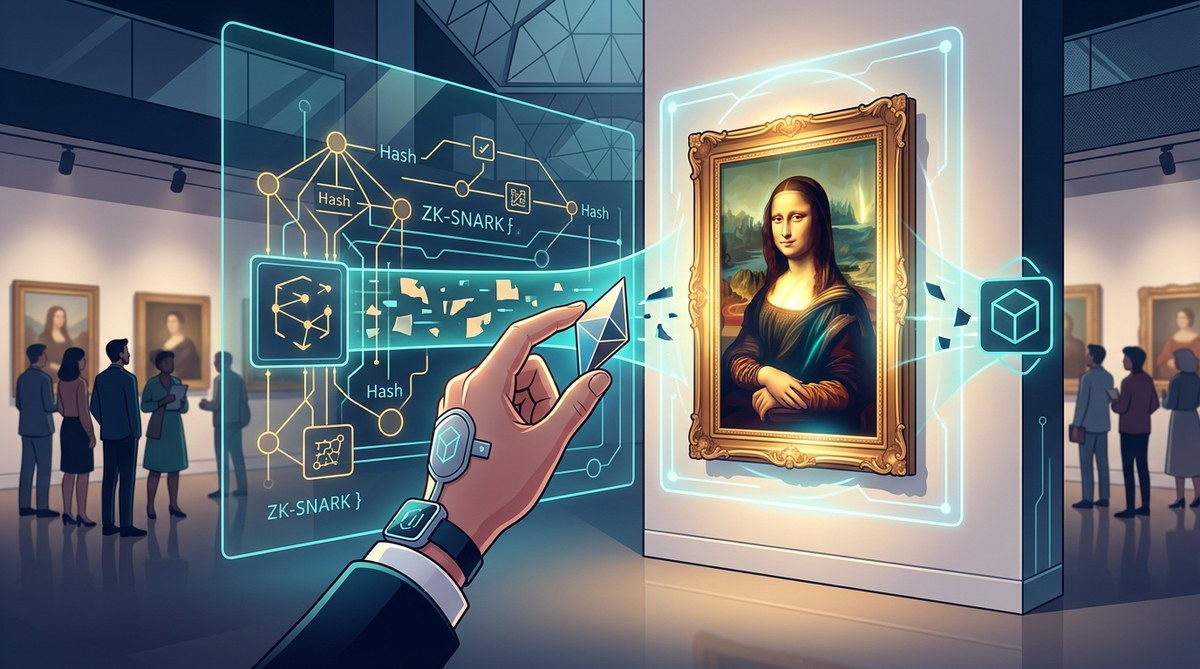
Zero knowledge proofs let you verify that a transaction is valid, that you own an artwork, or that you have sufficient funds without revealing any of the underlying details. This cryptographic technique is transforming how collectors, galleries, and platforms handle private art transactions on the blockchain. It preserves the trust of a public ledger while protecting sensitive financial and ownership data.
The Privacy Problem With Public Ledgers
Blockchain technology brought us trust without intermediaries. That is great for provenance and authenticity. But it also means that when you buy a piece from a gallery or sell a work to another collector, the transaction amount, your wallet address, and the history of that artwork are all visible.
For many collectors, that is not acceptable.
High net worth individuals often prefer to keep their acquisitions private. Galleries do not want competitors seeing their sale prices. Artists may not want the public to know their secondary market earnings. The blockchain solves the problem of trust, but it creates a new problem of privacy.
This is where zero knowledge proofs enter the picture.
What Zero Knowledge Proofs Actually Do
A zero knowledge proof is a cryptographic method that allows one party to prove to another that a statement is true without revealing any information beyond the validity of the statement itself.
Think of it like showing a bouncer your ID without them seeing your address or birthdate. They just need to know you are over 21. They do not need your name or your home address. A zero knowledge proof lets you prove “I am old enough” without sharing the extra details.
In the context of art transactions on the blockchain, this means you can prove:
- You own a specific artwork
- You have enough funds to complete a purchase
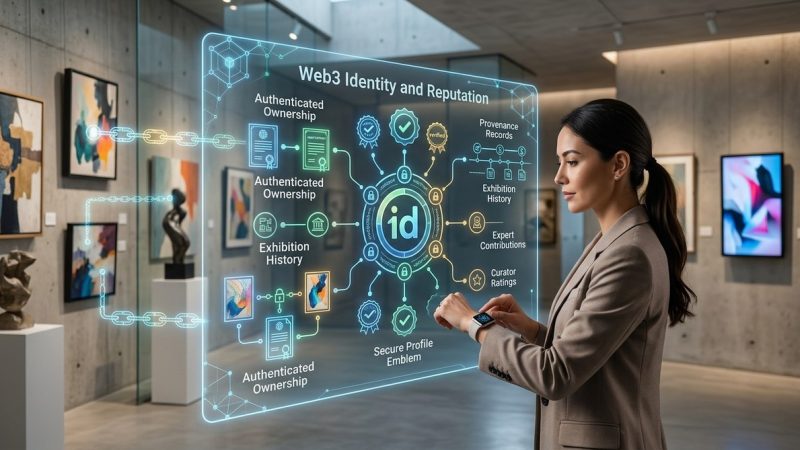
- The artwork’s provenance is authentic
- You are authorized to transfer the piece
All of this happens without revealing your wallet balance, your full transaction history, or the exact sale price.
How Zero Knowledge Proofs Work in Art Transactions
The process is more straightforward than it sounds. Here is how a typical private art sale might work using zero knowledge proofs on the blockchain.
-
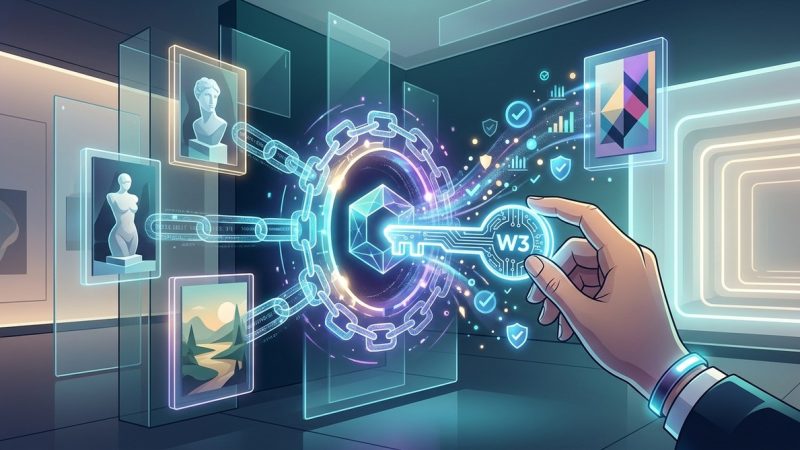
The seller generates a proof. The seller’s wallet creates a cryptographic proof that they own the NFT representing the artwork. This proof does not reveal their identity or their wallet address. It only confirms ownership.
-
The buyer verifies the proof. The buyer’s wallet or a smart contract checks the proof against the public blockchain. The verification confirms the seller truly owns the piece without exposing the seller’s private data.
-
The transaction executes privately. The sale goes through a privacy preserving smart contract. The contract checks the zero knowledge proof to ensure all conditions are met. It then transfers the artwork and funds without recording the specific amounts or wallet addresses on the main chain.
-
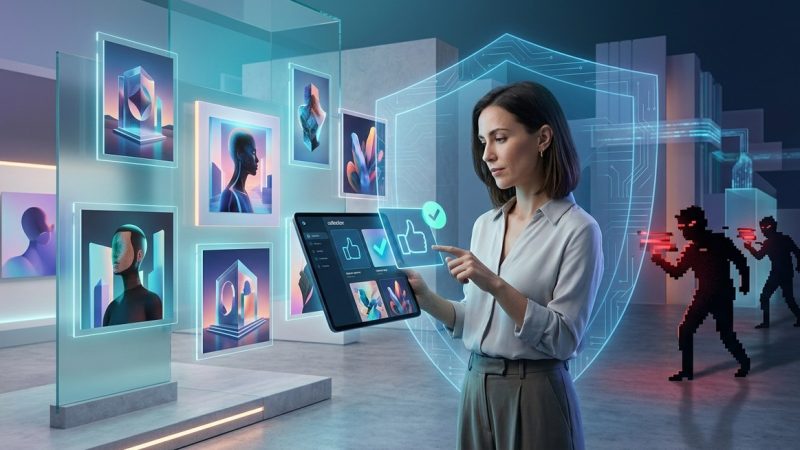
The record is stored with a privacy seal. The transaction appears on the blockchain as a valid transfer, but the details are encrypted. Anyone can see that a transfer happened. No one can see who was involved or what the price was.
Key Benefits for Collectors and Galleries
Zero knowledge proofs are not just a theoretical concept. They solve real problems that the art market faces today.
-
Price privacy. Galleries can sell works without revealing the final sale price to competitors. This protects their pricing strategies and client relationships.
-
Identity protection. Collectors can buy and sell without linking their real world identity to their wallet. This prevents doxxing and targeted theft.
-
Provenance verification. Buyers can verify that an artwork’s history is authentic without seeing the full list of previous owners. They just need to know the chain is unbroken.
-
Regulatory compliance. Platforms can verify that a transaction meets legal requirements without exposing sensitive client data to the public.
“The art market has always been built on relationships and discretion. Zero knowledge proofs allow us to bring that same discretion into the digital age. We get the security of the blockchain without sacrificing the privacy that high value transactions require.” – Cryptography researcher focused on digital asset privacy
Types of Zero Knowledge Proofs Used in Art
Not all zero knowledge proofs are the same. Different cryptographic approaches are better suited for different use cases. Here is a breakdown of the most common types you will encounter in blockchain art platforms.
| Proof Type | Best For | Privacy Level | Computational Cost |
|---|---|---|---|
| zk-SNARKs | High volume transactions | Very high | Low verification, high setup |
| zk-STARKs | Large data sets | Very high | Higher verification, no trusted setup |
| Bulletproofs | Range proofs for pricing | High | Moderate, no trusted setup |
| PLONK | General purpose privacy | High | Efficient, universal setup |
Each of these approaches has trade offs. zk-SNARKs are efficient but require a trusted setup ceremony. zk-STARKs are more transparent but have larger proof sizes. Bulletproofs work well for proving that a price falls within a certain range without revealing the exact number.
For most art transactions, a combination of these methods works best. The platform handles the complexity behind the scenes. As a collector or gallery owner, you interact with a clean interface that just asks you to confirm the transaction.
Practical Steps for Using Zero Knowledge Proofs
If you are ready to start using zero knowledge proofs for your art transactions, here is a practical checklist to follow.
- Choose a platform that explicitly supports privacy preserving transactions. Look for terms like “zk privacy” or “private sales” in their documentation.
- Set up a wallet that supports zero knowledge proof generation. Some wallets now include this feature by default.
- Verify that the artwork’s smart contract is compatible with zero knowledge proof verification. Most modern contracts support this.
- Test the process with a low value piece first. Get comfortable with the workflow before moving high value works.
- Keep your private keys secure. Zero knowledge proofs protect your data, but they cannot protect you from losing access to your wallet.
Common Mistakes to Avoid
Even experienced collectors can make errors when adopting new technology. Here are the most common pitfalls and how to avoid them.
| Mistake | Why It Happens | How to Avoid It |
|---|---|---|
| Using a non compliant wallet | Not all wallets generate zero knowledge proofs | Check wallet documentation for zk support |
| Skipping the test transaction | Assuming it works the same as a public sale | Always test with a small piece first |
| Sharing proof data publicly | Proofs can be reused in some systems | Treat your proof like a signed check |
| Ignoring gas costs | Zero knowledge proofs require computation | Factor higher fees into your sale price |
The Future of Private Art on the Blockchain
Zero knowledge proofs are still evolving. In 2026, we are seeing more platforms integrate them as a standard feature rather than an add on. This shift is making private art transactions accessible to a wider audience.
Major auction houses are experimenting with private sale rooms that use zero knowledge proofs to verify bids without revealing bidder identities. Galleries are using them to offer discreet secondary market sales. Collectors are using them to build portfolios that remain completely private until they choose to reveal ownership.
The technology is also becoming cheaper. Early implementations required significant computational resources. Newer protocols are reducing those costs, making private transactions viable for works at every price point.
Why This Matters for Your Collection
If you are building a serious art collection, privacy is not a luxury. It is a necessity. Public knowledge of your collection can lead to targeted theft, unwanted attention, and leverage in future negotiations.
Zero knowledge proofs give you back control. You decide what information to share and with whom. The blockchain still provides the immutable record of ownership and provenance that makes digital art valuable. It just does so without broadcasting your personal details to the world.
For gallery owners, this technology opens up new revenue streams. You can offer private sales to clients who would never participate in a fully transparent auction. You can build trust by proving the authenticity and provenance of works without exposing your entire client list.
For developers, zero knowledge proofs represent a growing area of opportunity. Building user friendly interfaces that abstract away the cryptographic complexity is one of the most valuable contributions you can make to the ecosystem.
Putting Privacy Into Practice
Start by reviewing your current collection and identifying which pieces you would prefer to keep private. Then look for platforms that support zero knowledge proof transactions for those works. Many of the major blockchain art marketplaces now offer this feature as part of their standard selling tools.
Talk to your gallery representatives about whether they support private transactions. If they do not, ask when they plan to add the feature. The demand is there, and galleries are listening.
For developers, now is the time to learn the major zero knowledge proof libraries. Understanding how to integrate zk proofs into smart contracts and wallets will be a highly valued skill as the market continues to mature.
The art world has always valued discretion. Zero knowledge proofs are finally bringing that discretion to the blockchain. Whether you are a collector guarding your portfolio, a gallery protecting your pricing, or a developer building the next generation of art platforms, this technology gives you the tools to transact with confidence.
Your collection is personal. Your transactions should be too.