How Smart Collectors Use Data Analytics to Predict Digital Art Trends
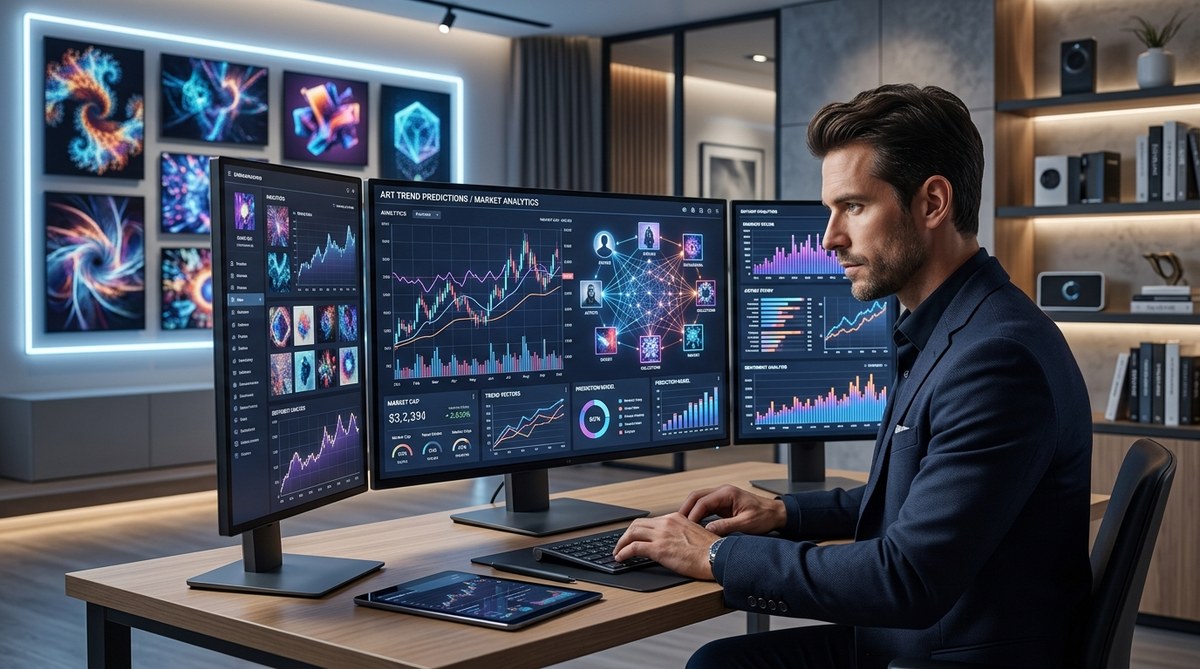
Digital art markets are transforming rapidly. With new technologies, blockchain innovations, and shifting collector preferences, understanding current trends can feel overwhelming. That’s where smart data analytics enters the picture. By harnessing sophisticated data tools, collectors and industry insiders can see patterns emerging before they become mainstream. This approach turns guesswork into strategic insight, giving art enthusiasts a competitive edge in the digital age.
Using smart data analytics to understand digital art trends allows collectors and analysts to identify promising works early. This approach helps inform investment choices, predict market shifts, and stay ahead in the fast-moving digital art scene, making it a must-have strategy for modern collectors.
How Data Analytics Shapes Digital Art Trends
The digital art sphere is driven by a deluge of data. From blockchain transactions and social media activity to auction results and platform engagement, every point offers insight into market movements. Smart data analytics involves collecting, analyzing, and visualizing this information to uncover meaningful patterns.
The Power of Predictive Insights
Predictive analytics is at the core of understanding digital art trends. By applying machine learning algorithms to historical data, analysts can forecast which artists, styles, or formats are poised to gain value. For instance, tracking online sales, social media buzz, and blockchain activity can reveal emerging artists before they hit the mainstream. This foresight enables collectors to acquire works at early stages, often at more accessible prices.
Key Techniques in Data-Driven Trend Forecasting
Practically, there are three core processes to harness data analytics effectively:
- Data collection: Gather information from blockchain platforms, online galleries, social media, and auction houses.
- Data analysis: Use tools like sentiment analysis, clustering, and trend detection to interpret the data.
- Trend prediction: Develop models that forecast shifts in artist popularity, artwork valuation, or collector behavior.
Practical Steps for Using Data Analytics in Digital Art
To incorporate data-driven insights into your collecting strategy, follow these steps:
- Identify your focus: Decide whether you want to track specific artists, styles, or platforms.
- Gather relevant data: Use analytics platforms or APIs to monitor sales, social media trends, and blockchain activity.
- Analyze patterns: Look for increases in transaction volume, social mentions, or blockchain activity around certain works or creators.
- Make informed decisions: Use these insights to decide when to buy, hold, or sell digital assets.
Scanning for Trends: What to Watch
- Sudden surges in social media mentions for an artist.
- Rising transaction volumes on blockchain marketplaces.
- Increasing engagement from institutional investors.
- New collaborations or technological innovations fueling interest.
Common Mistakes to Avoid
| Mistake | Explanation | Solution |
|---|---|---|
| Relying solely on social media buzz | Popularity can be fleeting | Combine social data with blockchain activity and auction results |
| Ignoring data quality | Inaccurate or incomplete data leads to false insights | Use verified sources and cross-reference data points |
| Overfitting models | Predictive models may lose accuracy with too much complexity | Keep models simple and regularly update with new data |
Expert Advice
“The best digital art collectors use data not just to find what’s hot now but to anticipate what will be valuable tomorrow,” emphasizes digital art analyst Olivia Chen. “It’s about seeing the signals early and acting on them with confidence.”
Decoding Trends Through Data Patterns
Understanding how different data points interact is crucial. For example, an artist gaining traction on social media coupled with rising blockchain transactions signals a strong market movement. Conversely, a high social media buzz without corresponding transaction volume might indicate hype rather than real value.
Techniques for Analyzing Digital Art Data
- Sentiment analysis: Gauges collector emotions and opinions about specific works or artists.
- Network analysis: Maps connections between collectors, artists, and platforms.
- Time-series forecasting: Projects future trends based on historical data.
Common Pitfalls in Data Analytics
| Technique | Mistake | How to Avoid |
|---|---|---|
| Sentiment analysis | Overlooking context | Combine with transaction data for validation |
| Network analysis | Ignoring data privacy | Use anonymized, aggregated data sources |
| Time-series | Assuming past performance guarantees future results | Use models as guides, not certainties |
Making Smarter Investment Decisions
Applying data analytics transforms how collectors approach digital art. Instead of relying solely on intuition or market hype, you can make choices rooted in concrete data. For example, spotting a rising artist early through blockchain activity and social sentiment allows you to acquire works before prices spike.
Practical Processes for Data-Backed Collecting
- Monitor multiple data sources regularly to stay updated.
- Identify early signals of emerging trends.
- Evaluate the stability of these signals over time.
- Act swiftly when data indicates a promising opportunity.
Final Tips for Digital Art Enthusiasts
- Keep your data sources diversified.
- Use visualization tools to spot trends visually.
- Stay updated on technological developments like AI and blockchain innovations.
- Remember, data is a guide, not a crystal ball.
Digital Art Trend Forecasting: The Future Is Data-Driven
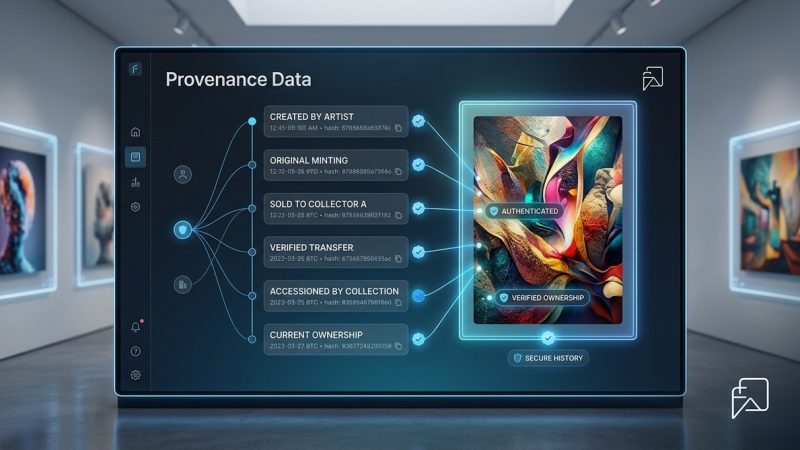
As the digital art space continues to evolve, the role of data analytics will only grow more significant. Advanced techniques like AI-powered image recognition and blockchain provenance tracking enhance your ability to evaluate artworks accurately. By combining these tools with good judgment, you can stay ahead of market shifts and build a more resilient collection.
Techniques to Watch
- AI-generated trend analysis: Uses machine learning to identify subtle shifts.
- Blockchain provenance data: Confirms authenticity and ownership history.
- Social listening tools: Track collector conversations in real time.
Mistakes to Avoid
| Technique | Common Mistake | How to Improve |
|---|---|---|
| AI trend analysis | Over-reliance on algorithms | Use alongside expert judgment |
| Blockchain data | Ignoring data gaps | Verify provenance with multiple sources |
| Social listening | Reacting to hype | Analyze sustained interest trends |
Final Words for Forward-Thinking Collectors
Harnessing smart data analytics transforms your approach to digital art. It empowers you to invest confidently and anticipate market movements. Start small by tracking a few artists or platforms, then expand your analysis as you become comfortable. With patience and consistent effort, data-driven insights can become your most valuable collecting tool.
By integrating these practices into your routine, you open doors to smarter investments and richer understanding of digital art trends. The future belongs to those who read the signals early and act wisely.