Exploring the Impact of Blockchain on the Future of Digital Fine Art Collections
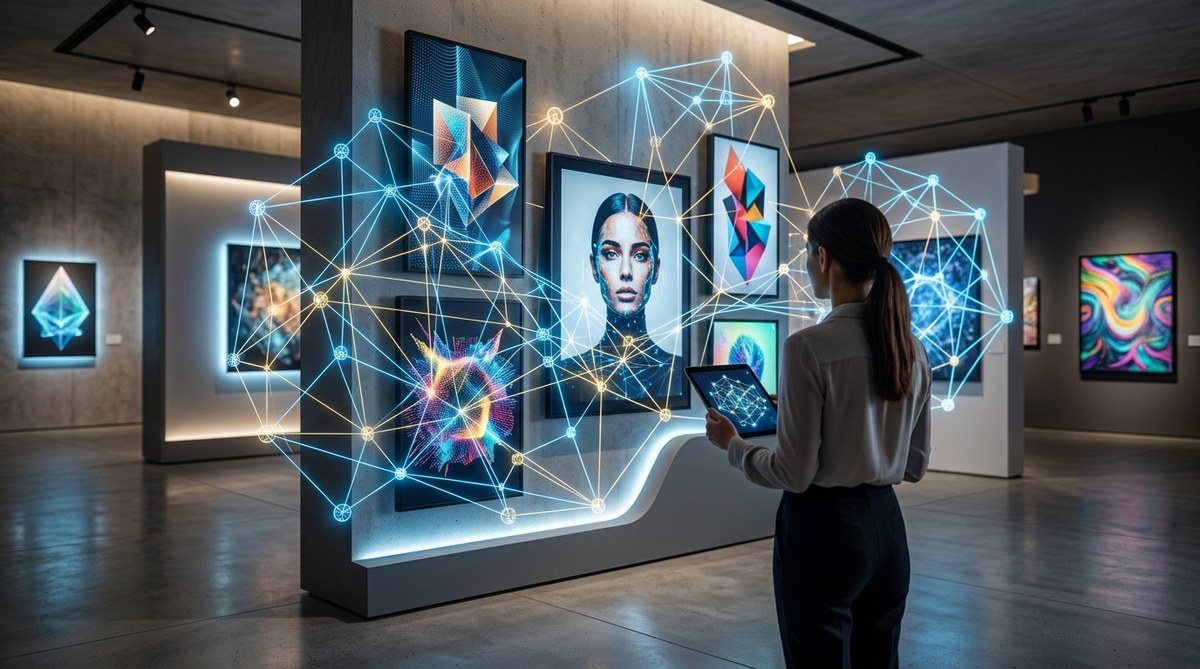
Digital art collections are experiencing a significant shift thanks to blockchain technology. This digital revolution is not just about new ways to buy and sell art but fundamentally changing how ownership, provenance, and value are established and maintained. For collectors, artists, and institutions, understanding these impacts helps navigate the evolving landscape with confidence. Blockchain’s influence promises not only enhanced security and transparency but also opens new avenues for engagement and innovation in the world of digital art.
How blockchain redefines ownership and provenance in digital collections
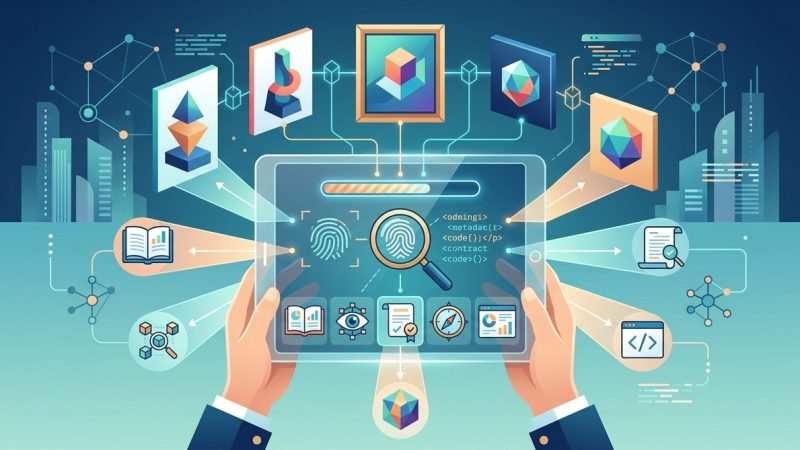
Blockchain technology introduces a transparent, tamper-proof ledger that records every transaction related to digital assets. When applied to digital art, this creates a reliable provenance record, which is crucial for establishing authenticity and long-term value. Unlike traditional art, where provenance can be opaque or difficult to verify, blockchain provides an open history of ownership that anyone can access.
This shift mitigates issues like forgery and disputes over authenticity. Every change of hands, whether a sale, gift or transfer, is recorded on the blockchain. This ensures that collectors can confidently verify their holdings. As https://freeport.app/how-smart-contracts-are-revolutionizing-art-ownership-and-provenance/ explains, smart contracts automate and enforce rights, making the transfer process seamless and trustless.
Practical steps for integrating blockchain into your digital art collection
- Research platforms and blockchains: Not all blockchains are equal. Ethereum remains the most popular, but alternatives like Solana and Tezos offer lower gas fees. Compare features and costs before choosing where to mint or buy digital assets.
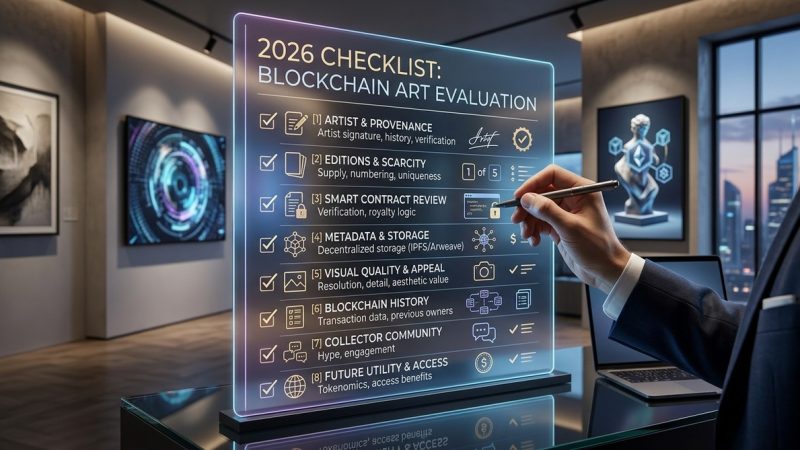
- Verify authenticity and provenance: Use blockchain explorers and provenance tools to confirm the history of artworks. Look for transparent records and verify the creator’s identity.
- Secure your holdings: Use reputable wallets and consider hardware wallets for high-value assets. Protect your private keys and stay aware of potential scams.
Techniques for successful blockchain collections
| Technique | Mistake to Avoid |
|---|---|
| Use reputable platforms | Neglecting platform security can lead to hacks |
| Regularly update your wallet | Failing to back up private keys risks loss of assets |
| Verify provenance before purchase | Skipping provenance checks can result in counterfeit assets |
| Keep abreast of platform policies | Ignoring platform updates may affect asset accessibility |
- Rely on trusted marketplaces like OpenSea or Rarible.
- Stay informed about blockchain network upgrades and security practices.
- Consider decentralized storage options such as IPFS to preserve digital assets.
“A well-managed blockchain collection offers peace of mind, knowing each piece’s history is transparent and secure,” advises digital art expert Jane Doe.
Enhancing collection management and valuation with blockchain
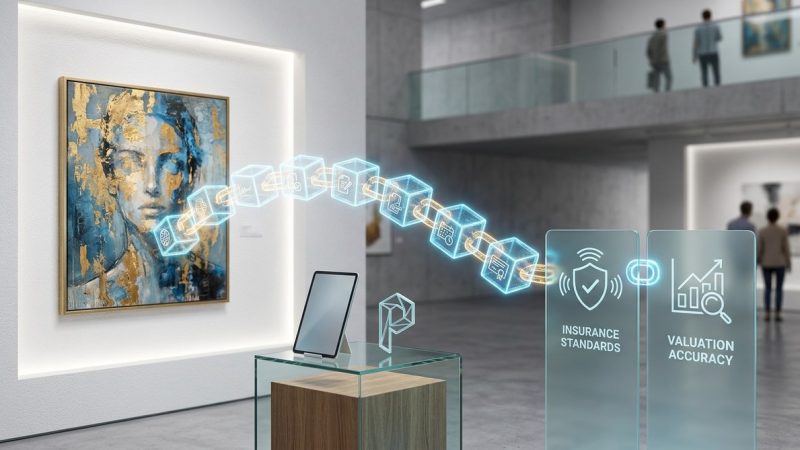
Blockchain technology empowers collectors to manage their digital art like traditional assets. Provenance records and transaction histories help assess long-term value and market trends. Dynamic NFTs, which can evolve based on on-chain data, introduce new aesthetic and economic possibilities.
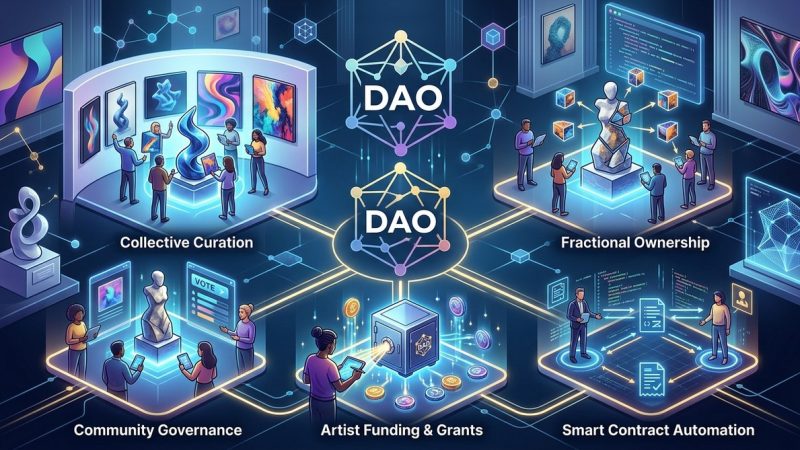
Furthermore, blockchain enables fractional ownership, allowing collectors to share high-value assets and diversify their portfolios. This democratizes access and creates new revenue streams for artists and investors alike.
Common techniques and pitfalls
| Technique | Mistake to Avoid |
|---|---|
| Leveraging smart contracts for royalties | Ignoring royalty enforcement can deprive artists of earnings |
| Using decentralized storage | Relying solely on centralized platforms risks asset loss |
| Regularly auditing your holdings | Overlooking security updates exposes vulnerabilities |
- Always ensure your assets are stored securely.
- Use platforms that support royalty payments to benefit creators.
- Keep detailed records of your transactions and holdings.
Navigating the risks and challenges of blockchain collections
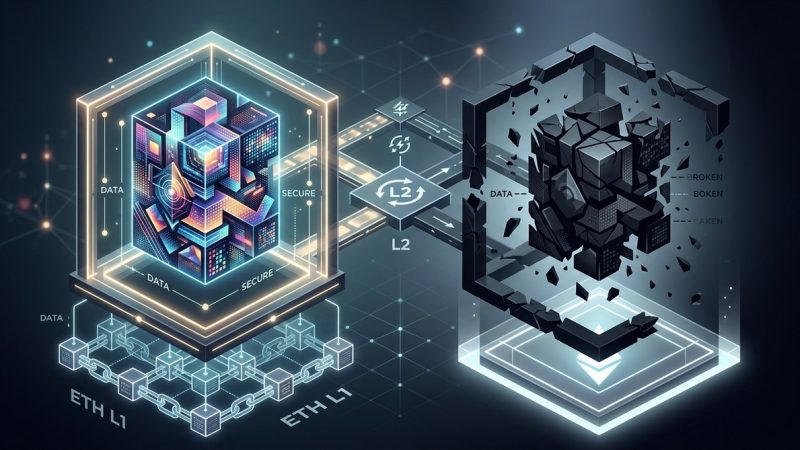
Despite many advantages, integrating blockchain into art collections presents challenges. Technical complexity can be daunting. Gas fees on networks like Ethereum can become costly, especially during high traffic periods. Additionally, platform shutdowns or network migrations might threaten asset access.
Mistakes such as buying from unverified sources or neglecting security protocols can lead to losses. To mitigate these risks, stay informed about platform policies and blockchain developments. For example, https://freeport.app/what-happens-to-your-blockchain-art-when-the-platform-shuts-down/ offers insights into safeguarding assets during platform transitions.
| Technique | Mistake to Avoid |
|---|---|
| Relying on a single blockchain | Diversify to reduce risk of network failure |
| Ignoring platform security | Use hardware wallets and multi-factor authentication |
| Failing to verify platform credibility | Conduct due diligence before transactions |
Future outlook for blockchain-driven digital collections
The impact of blockchain on digital art collections is poised to grow. Innovations like interoperability solutions will make moving assets across platforms easier. The rise of on-chain governance enables collectors and artists to participate in decision-making processes. As the market matures, standards for valuation, authentication, and security will become more robust.
Institutions, including museums, are increasingly building blockchain-based collections. This move ensures preservation and transparency for future generations. According to industry experts, adopting blockchain is not just a trend but a necessary evolution to sustain digital art ecosystems.
Final thoughts: building resilient, valuable digital collections
Embracing blockchain technology enhances transparency, security, and flexibility in managing digital art collections. By understanding its capabilities and potential pitfalls, collectors can create enduring, valuable portfolios. Start by researching suitable platforms, verifying provenance, and securing your assets properly. As the landscape evolves, staying informed and adaptable will be key to thriving in this new era of digital collecting.
The keys to long-term success in blockchain collections
Building a digital art collection that stands the test of time requires attention to detail and strategic planning. Focus on provenance verification, secure storage, and diversification across different blockchains. Keep an eye on technological advances and market trends to make informed decisions. Remember, a well-managed blockchain collection is a reflection of your commitment and vision.
Final advice
Treat your digital collection like any other valuable asset. Regularly update your security practices. Engage with community forums and educational resources. This approach will help you stay ahead and preserve your assets effectively. Blockchain’s impact on digital art collections is profound, offering new opportunities for growth and innovation. By applying these principles, you can confidently shape your collection for the future.