How Blockchain Enhances Transparency and Authenticity in Digital Art Collecting
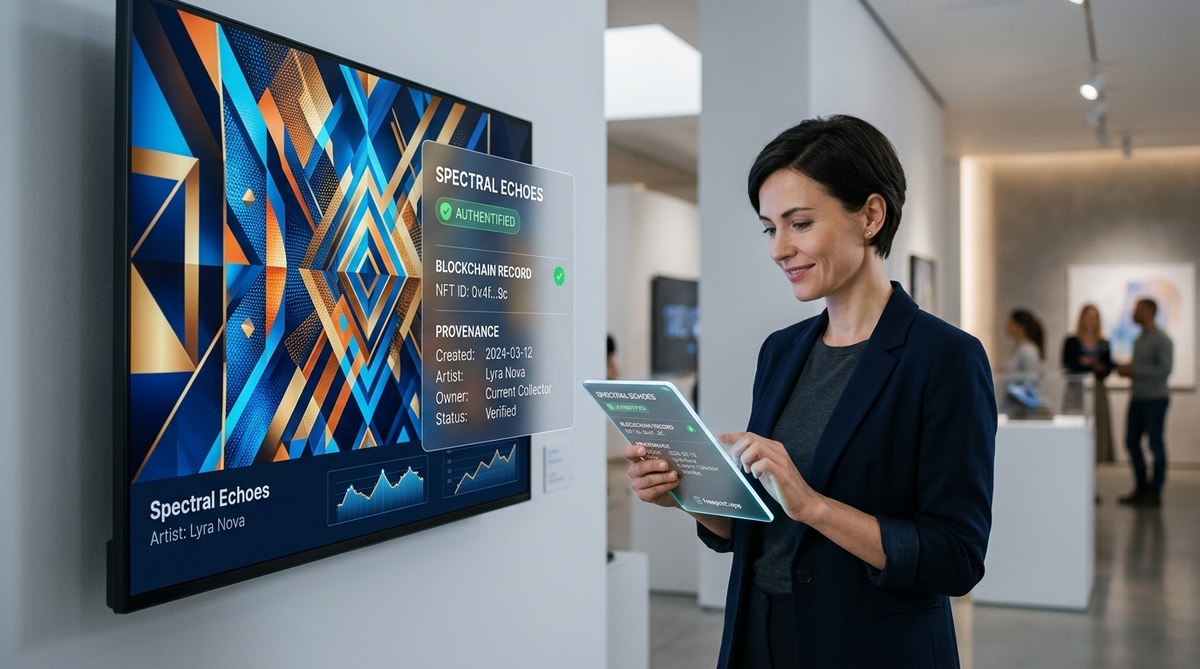
Digital art has transformed dramatically over the past few years. As more artists create and sell digital works, questions about authenticity and provenance become critical. Blockchain technology has emerged as a game-changer. It offers a way to verify digital art’s origin and ownership history with transparency. This shift helps collectors and artists build trust in a market often plagued by doubts. In 2026, understanding how blockchain enhances digital art authenticity is essential for anyone invested in the digital art world.
Blockchain technology provides a transparent, tamper-proof record of digital art provenance and ownership. It helps verify authenticity, reduces fraud, and builds trust for collectors, artists, and industry professionals in 2026.
How blockchain technology improves transparency in digital art
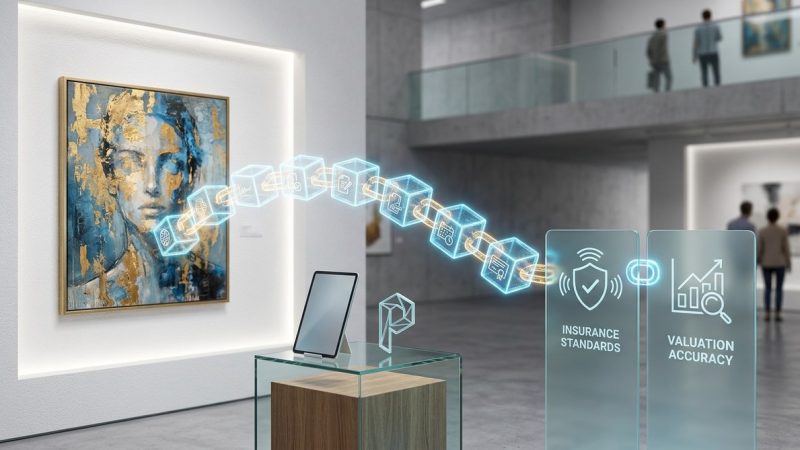
Blockchain acts like a digital ledger that records every transaction related to a piece of art. Each transaction, whether it is creation, sale, or transfer, is stored as a block linked to previous ones. This chain of records creates an immutable history that anyone can verify. For digital art collectors, this means a reliable way to trace an artwork’s journey from the artist to current owner.
Because the records are stored on a decentralized network, no single entity controls the data. This reduces the risk of manipulation or falsification of provenance information. It also makes the information publicly accessible, increasing transparency across the market. Provenance becomes a matter of public record, not guesswork or reliance on third-party certificates.
How blockchain verifies the authenticity of digital art
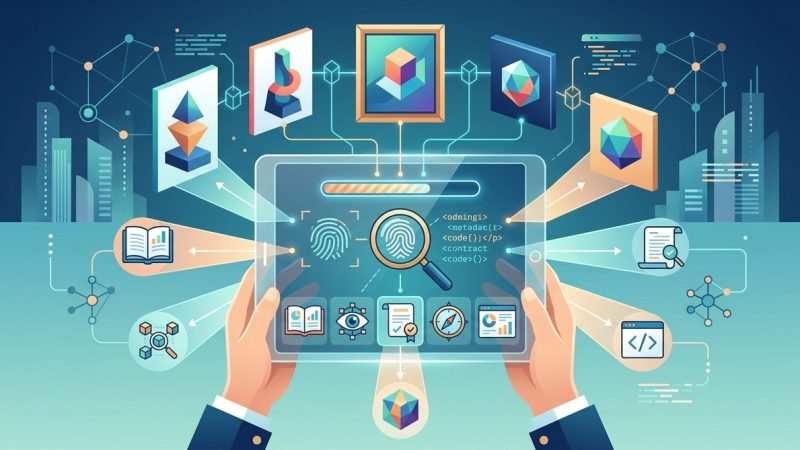
Authenticity verification is vital in the digital art space. Unlike physical art, digital works can be easily copied or altered. Blockchain helps by issuing a unique token—often called an NFT—that represents the digital piece. This token is cryptographically linked to the artwork, creating a digital certificate of authenticity.
When an artist mints a digital artwork as an NFT, they register it on a blockchain. This act establishes a permanent record of the work’s origin and ownership. Collectors can verify that the NFT they purchase is the original, not a fake. Blockchain’s transparency allows anyone to confirm the history behind a digital artwork, ensuring its authenticity.
Practical steps to leverage blockchain for authenticating digital art
Here is a straightforward process artists and collectors can follow:
-
Create and mint the digital artwork as an NFT using reputable platforms like This process links the artwork to a blockchain record.
-
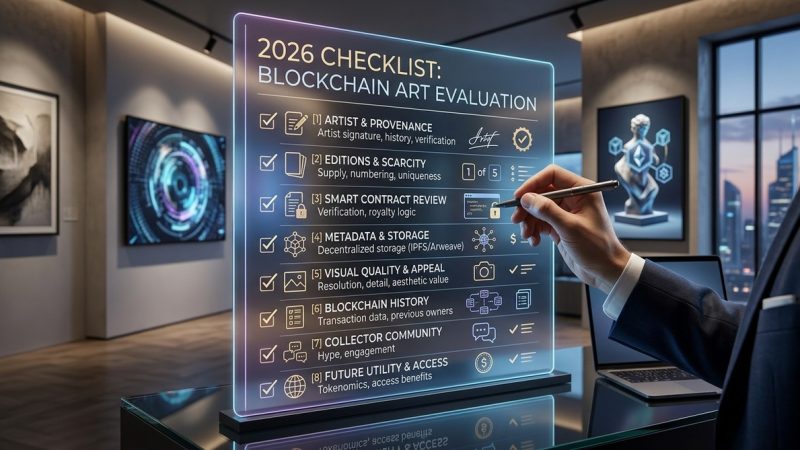
Document all relevant details — including creation date, artist credentials, and any additional provenance information — and embed this data into the NFT’s metadata or a linked digital registry.
-
Verify ownership and transfer history through blockchain explorers or dedicated provenance tools. These platforms allow you to see the full transaction history of an artwork.
-
Use trusted marketplaces such as https://freeport.app/from-physical-to-digital-top-galleries-bridging-traditional-and-blockchain-art/ to buy or sell with confidence. These marketplaces often have built-in verification mechanisms.
-
Secure your digital assets using reputable wallets and decentralized storage solutions like https://freeport.app/the-role-of-ipfs-in-preserving-digital-art-collections-forever/ to prevent loss or tampering.
Benefits of blockchain-driven transparency and verification
- Reduced fraud: Because each transaction is recorded on an unchangeable ledger, fakes and forgeries are easier to spot.
- Enhanced trust: Verifiable provenance reassures buyers that they are acquiring authentic works.
- Simplified transfer process: Blockchain streamlines ownership transfers, reducing paperwork and delays.
- Market efficiency: Transparency attracts more participants, increasing liquidity and opportunities for artists and collectors.
Common pitfalls and how to avoid them
| Technique | Mistake | Solution |
|---|---|---|
| Using unreliable platforms | Minting on unverified sites | Stick to established marketplaces and verified minting platforms |
| Not updating records | Overlooking the need to update provenance | Keep digital records current after each transfer or exhibition |
| Ignoring security | Losing access to wallets | Use secure, hardware wallets and multi-factor authentication |
| Relying solely on metadata | Metadata can be altered | Cross-verify on blockchain explorers and use digital signatures |
“Blockchain provides a transparent backbone for authenticating digital art, but it’s important to pair it with good security habits and verified platforms,” advises digital art expert Julia Ramirez.
The future of blockchain and digital art authenticity
As the technology matures, new solutions will further solidify trust. Zero-knowledge proofs allow for privacy while maintaining transparency. Decentralized storage will ensure artworks and provenance data remain accessible long-term. Combining these innovations will make digital art markets more resilient and trustworthy.
In addition, industry players like museums and galleries are embracing blockchain to build their collections. This institutional backing adds an extra layer of credibility and stability to digital art provenance.
How to integrate blockchain into your collection strategies
- Research reputable platforms that offer verified minting and provenance tracking.
- Start with small acquisitions to build confidence in blockchain-based verification methods.
- Use digital signatures and certificates to reinforce authenticity claims.
- Track your collection’s history using blockchain explorers or portfolio management tools.
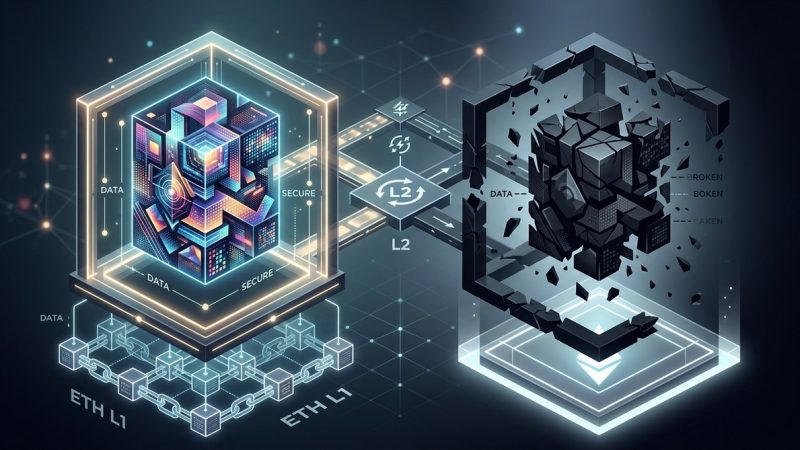
- Stay updated on emerging tech like interoperability solutions that allow moving assets between different blockchains seamlessly.
Final thoughts on harnessing blockchain for digital art collecting
Using blockchain technology to verify authenticity and provenance provides a robust foundation for digital art collecting in 2026. It offers transparency, security, and trust that traditional methods struggle to match. As the ecosystem continues to evolve, embracing these tools will help you build a more reliable, valuable collection. Practical application of these processes ensures your digital assets are genuine and well-documented, protecting your investments now and into the future.
Keeping trust at the heart of digital art in 2026
Building a collection rooted in blockchain verification means your digital art is backed by transparent, tamper-proof data. It empowers artists to prove their work’s originality and collectors to verify authenticity easily. By adopting these practices, you support a healthier, more trustworthy digital art market that benefits everyone involved. Start integrating blockchain solutions today and take your digital art journey to the next level.