Harnessing AI and Blockchain to Curate Future-Proof Digital Collections in 2026
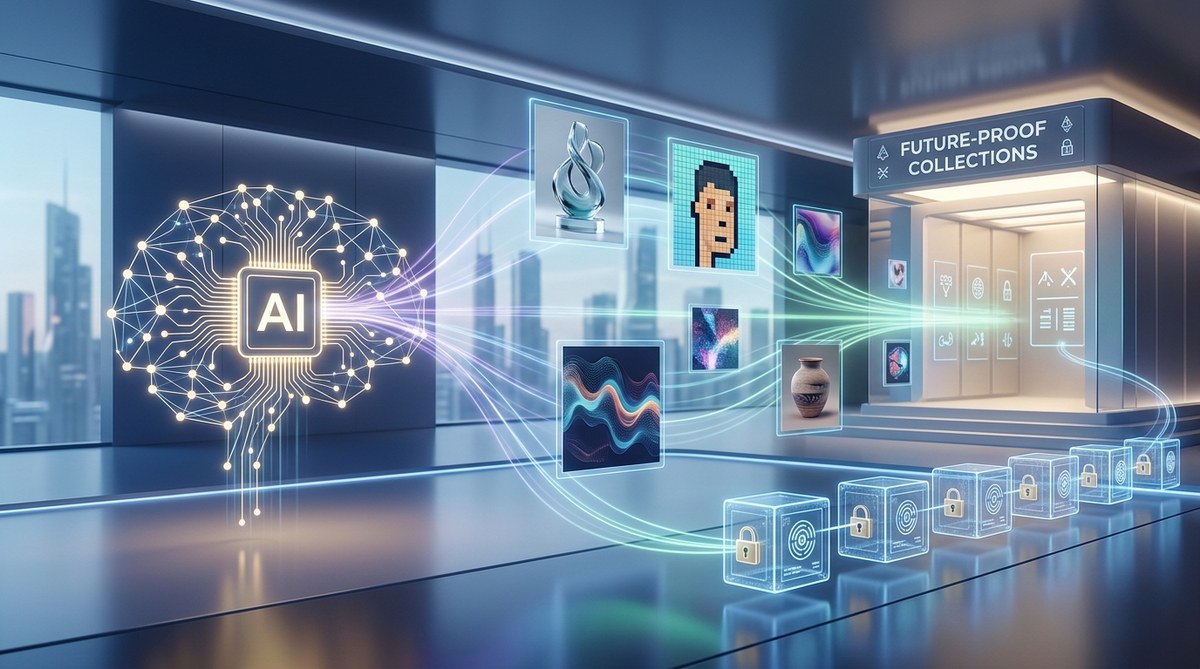
AI and blockchain are revolutionizing the way we think about digital collections in 2026. As technology advances, the fusion of artificial intelligence and blockchain creates opportunities for more secure, dynamic, and future-proof ways to build, manage, and enjoy digital assets. From art and music to digital memorabilia, the landscape is shifting rapidly. Industry leaders, digital curators, and tech innovators are exploring these trends to unlock new levels of authenticity, value, and engagement.
How AI and blockchain are reshaping digital collections
The convergence of AI and blockchain is producing a new era of digital collections that are more secure, personalized, and adaptable. These technologies enable collectors and institutions to verify authenticity, automate provenance tracking, and create interactive experiences. The developments are not just about making collections easier to manage but about transforming their very nature.
In 2026, digital collections are increasingly characterized by their adaptability and resilience. AI algorithms analyze vast amounts of data to identify trends and predict future value. Blockchain ensures each item’s provenance remains tamper-proof, supporting long-term trust and transparency. This synergy allows for a future where digital assets are more than just files—they become living, evolving entities.
The essentials of future-proof digital collections
To harness the full potential of AI and blockchain in digital collections, consider these practical steps:
- Integrate AI-driven authentication and provenance tools: Use AI algorithms that analyze digital signatures, metadata, and visual characteristics to verify authenticity quickly. Combining this with blockchain-based provenance tracking creates a robust verification system.
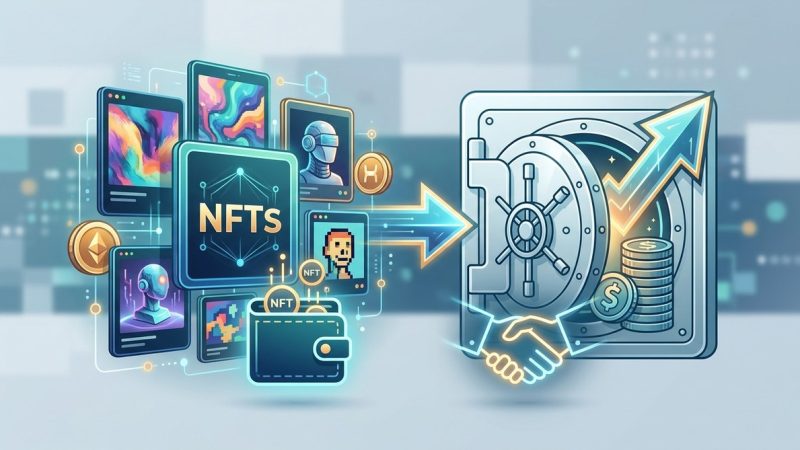
- Leverage blockchain for transparent ownership and rights management: Store ownership records, rights, and royalties on blockchain platforms. This guarantees clear transfer history and artist compensation.
- Implement dynamic and evolving assets: Use AI models to generate or update digital assets, making collections more engaging and relevant over time. Dynamic NFTs or generative art are perfect examples.
- Prioritize security and storage: Use decentralized storage solutions like IPFS or Arweave to safeguard high-value digital assets against platform shutdowns or data loss.
- Stay updated on emerging AI and blockchain protocols: Regularly assess new platforms, tools, and standards that can improve collection management and valuation.
Scanning for success
- Use AI to assess long-term value indicators
- Verify provenance with blockchain records
- Employ decentralized storage for safety
- Create interactive, evolving digital assets
- Stay informed on protocol updates
Techniques and common mistakes
| Technique | Benefit | Mistake to Avoid |
|---|---|---|
| Using AI for authenticity | Faster verification | Relying solely on AI without blockchain proof |
| Blockchain for rights management | Clear ownership | Overlooking smart contract limitations |
| Dynamic NFTs | Increased engagement | Creating assets that lack update mechanisms |
| Decentralized storage | Data resilience | Ignoring storage costs and scalability issues |
“Combining AI with blockchain creates a new paradigm for digital collections, transforming static assets into living entities that grow, adapt, and remain secure,” says industry analyst Jamie Chen. This union not only enhances authenticity but also opens doors for new monetization models like fractional ownership and adaptive art.
Emerging trends in digital collection strategies for 2026
The landscape is shifting with innovations driven by AI and blockchain. Here are some of the most impactful trends:
- Generative AI art: Artists are leveraging AI models to produce unique, on-demand artworks that can evolve over time. These assets are often secured on blockchain platforms, ensuring provenance and ownership.
- Smart contract automation: Royalties and resale rights are embedded directly into smart contracts, enabling automatic artist compensation and reducing disputes.
- Decentralized marketplaces: Platforms built on blockchain facilitate transparent, peer-to-peer trading of digital assets. AI enhances these markets by analyzing trends and recommending assets.
- NFTs that evolve: Dynamic NFTs update based on external data, user interactions, or AI-generated changes, creating more engaging collections.
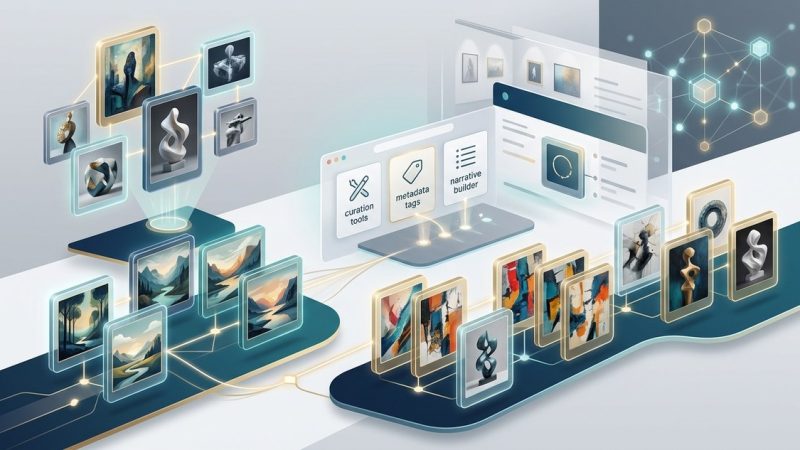
- AI-powered curation: Digital museums and collectors use AI to identify undervalued assets, predict future trends, and curate cohesive collections.
Practical processes for building resilient digital collections
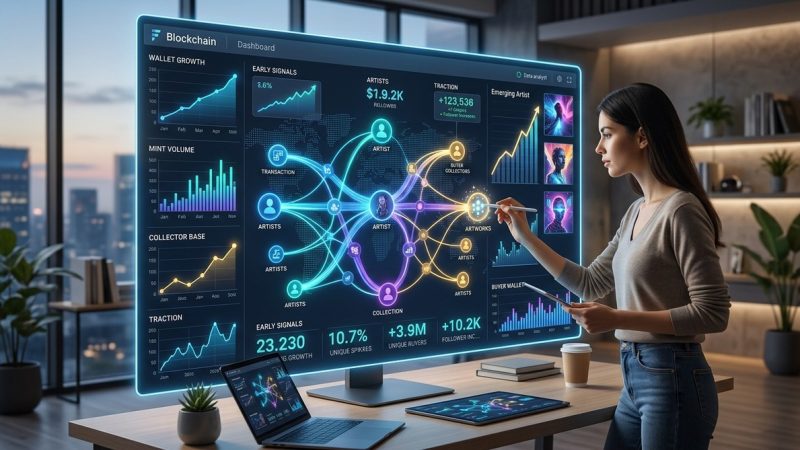
- Identify high-potential assets: Use AI analytics to find emerging artists or undervalued digital assets.
- Secure assets with blockchain: Mint NFTs with transparent provenance and embedded rights.
- Implement dynamic features: Use AI models to enable assets to change or evolve, increasing long-term interest.
- Use decentralized storage solutions: Store files securely on platforms like Arweave to ensure permanence.
- Regularly assess and update your collection: Track market trends and adapt your holdings accordingly.
Scanning for strategic advantages
- Identify undervalued assets with AI
- Secure provenance and royalties on blockchain
- Enable assets to evolve dynamically
- Prioritize decentralized, tamper-proof storage
- Constantly analyze market data for trends
Common pitfalls and how to avoid them
| Technique | Benefit | Mistake to Avoid |
|---|---|---|
| Relying on centralized storage | Cost-effective | Ignoring data permanence risks |
| Overlooking smart contract details | Automated royalty payments | Not testing contract functionality thoroughly |
| Creating assets that don’t update | Engages collectors over time | Failing to incorporate external data feeds |
| Ignoring interoperability | Broader market access | Using incompatible blockchain standards |
“To stay ahead in digital collections, incorporate AI analytics for valuation and leverage blockchain for secure, transparent ownership,” advises digital curator Mia Patel. Combining these tools ensures collections remain relevant and trustworthy.
Innovative techniques for future-proof collections
Moving into 2026, collectors and institutions are experimenting with new techniques to enhance their digital assets:
- On-chain generative art: Assets that are created and stored entirely on blockchain, allowing for real-time updates and evolution.
- AI-driven provenance tracking: Continuous monitoring of assets using AI models that detect tampering or fake versions.
- Fractional ownership via smart contracts: Enabling multiple investors to hold stakes in high-value assets, increasing liquidity.
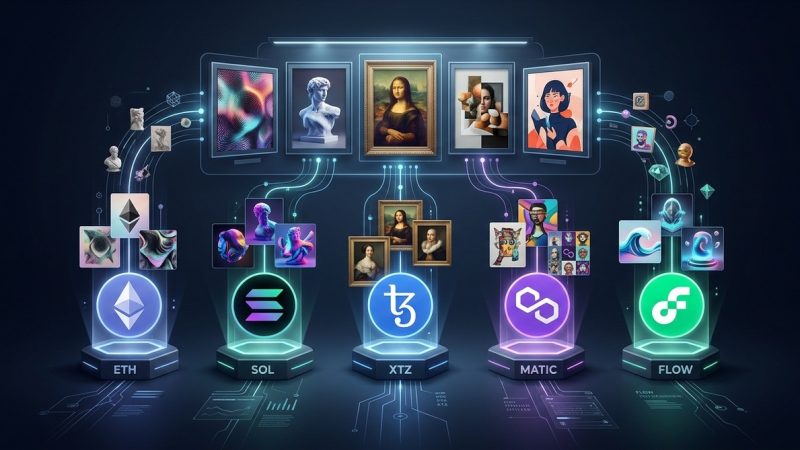
- Cross-chain interoperability: Moving assets seamlessly across different blockchain networks to reach wider audiences.
- Zero-knowledge proofs: Securing private collections on public blockchains while maintaining confidentiality.
Techniques and mistakes summary
| Technique | Benefit | Mistake to Avoid |
|---|---|---|
| On-chain generative assets | Fully transparent and updateable | Overcomplexity leading to high gas fees |
| AI provenance tools | Continuous authenticity verification | Relying solely on AI without human oversight |
| Cross-chain solutions | Greater liquidity and reach | Overlooking security risks in bridging |
| Zero-knowledge proofs | Privacy preservation | Not understanding cryptographic requirements |
Wisdom from the field
“The future of digital collections lies in their ability to adapt, verify, and grow securely,” notes blockchain artist and researcher Alex Nguyen. Embracing these tech trends allows collectors to build resilient, valuable portfolios that can withstand market shifts and technological obsolescence.
A future worth building for
As we look toward 2026, the integration of AI and blockchain isn’t just a trend but a necessary evolution for digital collections. By adopting these tools, industry players can create more secure, engaging, and adaptable assets. The key is to stay informed, leverage emerging techniques, and prioritize transparency and security.
Start exploring how you can embed AI and blockchain into your collection strategy today. Whether you’re a seasoned digital artist or a new collector, these technologies are shaping a future where digital assets are more meaningful and resilient than ever before. Building your collection with these principles ensures it will stand the test of time and market changes.
Keeping collections future-ready with AI and blockchain
In the end, embracing AI and blockchain for your digital collections is about more than just technology. It’s about creating a foundation for growth, trust, and innovation. As these tools become more accessible and sophisticated, the possibilities for meaningful, durable digital assets expand. By taking deliberate steps now, you set the stage for a vibrant, secure digital future.