Exploring the Future of Digital Art Provenance with Blockchain Innovations in 2026
Digital art has increasingly become a cornerstone of creative expression and investment. As we move further into 2026, the role of blockchain in establishing reliable provenance for digital works becomes clearer. The evolution of blockchain technology is transforming how artists, collectors, and institutions verify authenticity, trace ownership, and safeguard digital assets. This shift promises a more transparent, secure, and efficient future for digital art markets. Understanding these developments is essential for anyone involved in digital art today.
By 2026, blockchain innovations are revolutionizing digital art provenance. They ensure transparency, security, and trust, making digital assets more valuable and easier to verify for artists and collectors alike.
How blockchain is redefining digital art provenance in 2026
In recent years, blockchain technology has moved from a niche tool to a fundamental component of digital art authenticity. The core idea is simple: each digital artwork can be linked to an immutable record stored on a blockchain. This record verifies the work’s origin, ownership history, and any transfers that occur over time. As blockchain networks continue to evolve, new features are emerging that make provenance management even more robust and user-friendly.
Today, many leading platforms utilize advanced blockchain protocols to create transparent, tamper-proof records. These records serve as a digital fingerprint for artworks, capturing everything from creation details to sales and exhibitions. Artists and collectors benefit from this system because it reduces the risk of forgery and fraud. It also simplifies the process of demonstrating an artwork’s history, which is crucial for valuation and resale.
Emerging trends in blockchain-based provenance for digital art
The future of digital art provenance in 2026 involves several exciting developments. Here are some key trends shaping this landscape:
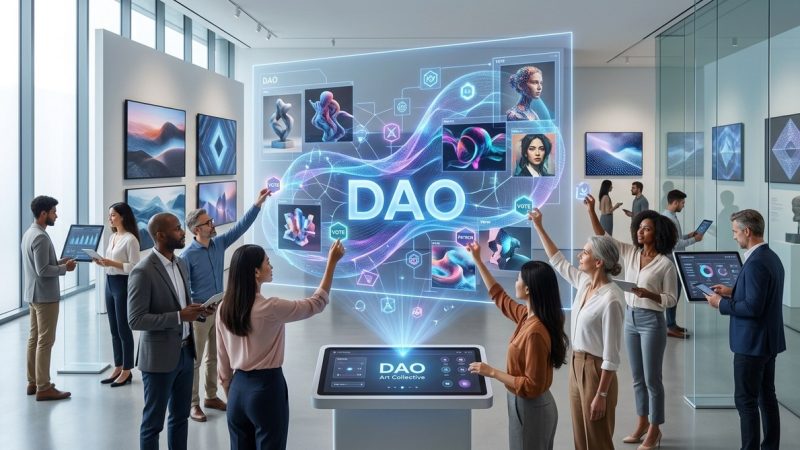
- Decentralized provenance registries: Instead of relying solely on centralized platforms, independent blockchain-based registries are gaining popularity. These systems allow artists and collectors to register their works directly, enhancing security and control.
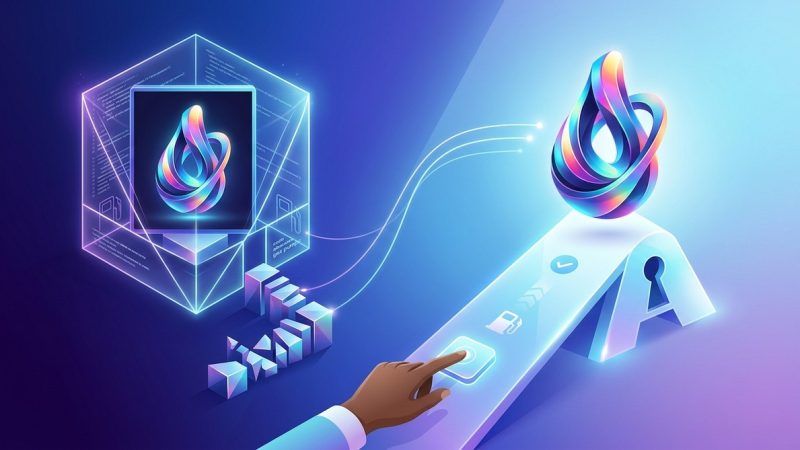
- Smart contracts for automatic verification: Smart contracts automate many aspects of provenance tracking. When artworks change hands, smart contracts can update ownership records instantly, reducing manual paperwork and errors.
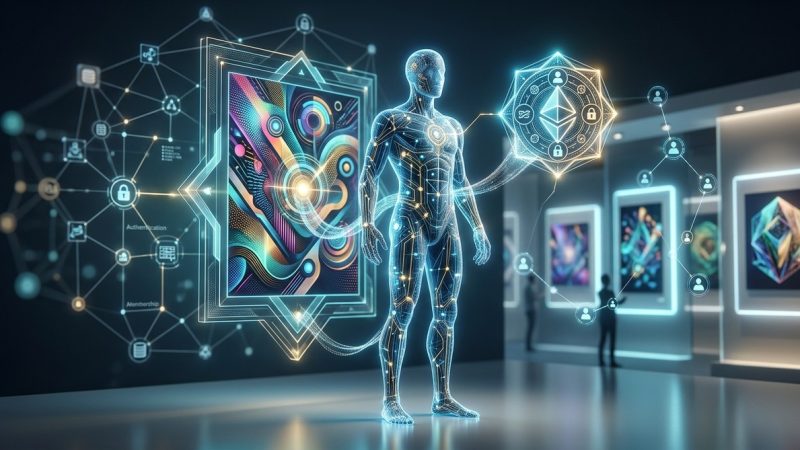
- Integration with digital identity: Digital identities tied to blockchain wallets and profiles help authenticate artists and collectors. These identities contribute to verifying provenance and establishing trust.
- Use of non-fungible tokens (NFTs): NFTs serve as certificates of authenticity, linking digital artworks to a blockchain record. As of 2026, NFTs are not just collectibles but integral parts of provenance management.
Practical processes for artists and collectors
To harness blockchain’s full potential in provenance, follow these steps:
- Register your work on a trusted blockchain registry: Artists should upload their digital art to platforms that offer provenance tracking, ensuring the work is recorded on a tamper-proof ledger.
- Create a digital identity linked to your blockchain wallet: Establish a verified profile that authenticates your role as an artist or collector. This identity adds credibility to your assets.
- Use smart contracts for sales and transfers: When transferring ownership, utilize smart contracts to automate the updating of provenance records, maintaining transparency and reducing disputes.
Techniques and common mistakes
| Technique | Mistake | Explanation |
|---|---|---|
| Digitally registering artworks | Failing to update provenance after sales | Regularly update records to reflect current ownership and avoid discrepancies. |
| Linking digital identities | Ignoring identity verification | Verify identities to prevent forgery and establish trust. |
| Automating transactions with smart contracts | Relying on manual record-keeping | Smart contracts reduce errors and ensure real-time updates. |
| Using reputable platforms | Using unverified or obscure registries | Choose established platforms to guarantee data security. |
Expert advice
“Blockchain’s strength lies in its ability to produce an unalterable history of an artwork. By mid-2026, artists and collectors who leverage smart contracts and decentralized registries will enjoy unparalleled transparency.” — Jane Doe, digital art blockchain analyst.
The impact of blockchain innovations on the art industry
The integration of blockchain into digital art provenance is reshaping the entire art ecosystem. Museums, galleries, and auction houses are increasingly adopting blockchain-based verification systems to authenticate digital works. This shift enhances confidence in transactions and broadens access to global markets.
Collectors benefit from the ability to verify provenance instantly. This confidence leads to higher valuation and liquidity. Artists, on the other hand, can directly showcase their work’s history to a worldwide audience, reducing reliance on intermediaries. Furthermore, blockchain’s transparency discourages forgery and provenance disputes, which have historically undermined trust in digital art.
Collection strategies for 2026
- Focus on provenance-rich assets: Prioritize works with clear, verified histories. These assets tend to appreciate more reliably over time.
- Utilize multiple blockchain platforms: Cross-platform provenance tracking ensures assets retain value if one network experiences issues.
- Engage with decentralized provenance registries: Contribute to and verify entries on community-led registries to support industry-wide trust.
Addressing challenges and avoiding pitfalls
Despite its promise, blockchain provenance is not without challenges. Technical errors, platform insolvencies, or network issues can impact data security. To mitigate these risks, always:
- Keep multiple copies of provenance records in decentralized storage solutions like
- Regularly verify the accuracy of records and update them as needed.
- Stay informed about platform stability and network upgrades.
Techniques to enhance provenance security
- Use multi-signature wallets for transfers.
- Incorporate zero-knowledge proofs for private yet verifiable provenance.
- Conduct periodic audits with trusted blockchain experts.
Mistakes to avoid
- Relying on a single platform for provenance registration.
- Ignoring the importance of digital identity verification.
- Failing to update records after each transfer or sale.
Future-proofing digital art collections through blockchain
To ensure your digital assets remain secure and verifiable in 2026 and beyond, adopt these best practices:
- Register assets on multiple reputable blockchain registries.
- Use smart contracts to automate ownership transfers.
- Incorporate digital identities tied to your assets.
- Store provenance data in decentralized storage systems.
- Stay updated on blockchain protocol upgrades and network security.
Techniques for durability and trust
| Technique | Mistake | Explanation |
|---|---|---|
| Cross-platform registration | Ignoring platform compatibility | Ensure provenance is accessible across different blockchains. |
| Regular record updates | Forgetting to update after transactions | Keep records current to prevent disputes. |
| Using decentralized storage | Relying solely on centralized servers | Enhance durability of provenance data. |
| Verifying identities | Overlooking identity checks | Build trust with verified digital identities. |
The road ahead for digital art provenance
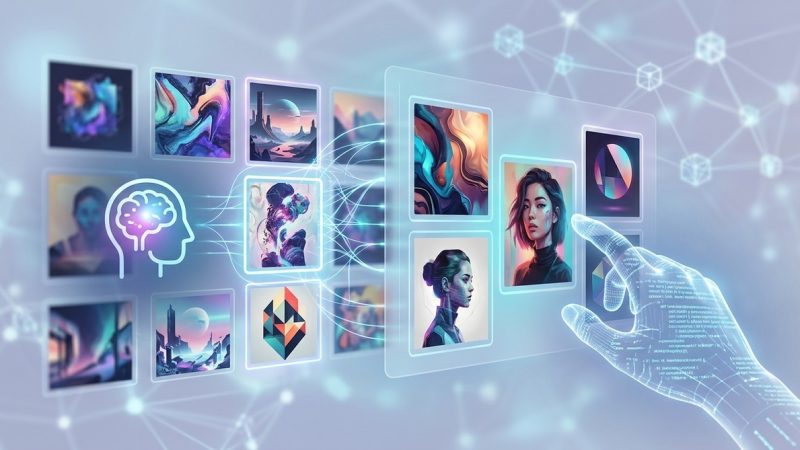
As blockchain continues to innovate, the landscape of digital art verification will become more seamless and trustworthy. New protocols and platforms are emerging that integrate AI and advanced cryptography, further strengthening provenance systems. Artists and collectors who embrace these tools early will enjoy a competitive edge, with assets that are easier to authenticate, transfer, and showcase.
This ongoing technological evolution fosters a more inclusive and transparent art community. It reduces barriers to entry and democratizes access to global markets. Meanwhile, industry professionals will increasingly rely on blockchain-derived data to make informed decisions, valuing assets with higher confidence.
Final thoughts on embracing blockchain’s promise in 2026
The future of digital art provenance with blockchain is promising. It offers a robust framework to document, verify, and protect digital works. By understanding and utilizing the latest innovations, artists and collectors can safeguard their investments and contribute to a more trustworthy digital art ecosystem. Starting today, integrating blockchain solutions into your collection practices will position you ahead in this rapidly evolving space.
Take the time to explore trusted blockchain registries, incorporate smart contracts, and verify digital identities. Doing so will ensure your digital assets are secure and valued well into the future. As technology advances, so does the potential for digital art to thrive in a transparent, accessible marketplace.
Building confidence in your digital art journey
In the end, the key to thriving in the digital art scene of 2026 lies in proactive engagement. By adopting blockchain-based provenance strategies, you not only protect your assets but also support a healthier, more transparent art industry. Keep learning, stay updated on new protocols, and continuously verify your holdings. Your future self will thank you for taking these steps today.