Can Quantum Computing Break Your NFT Wallet? What Collectors Need to Know About Post-Quantum Cryptography
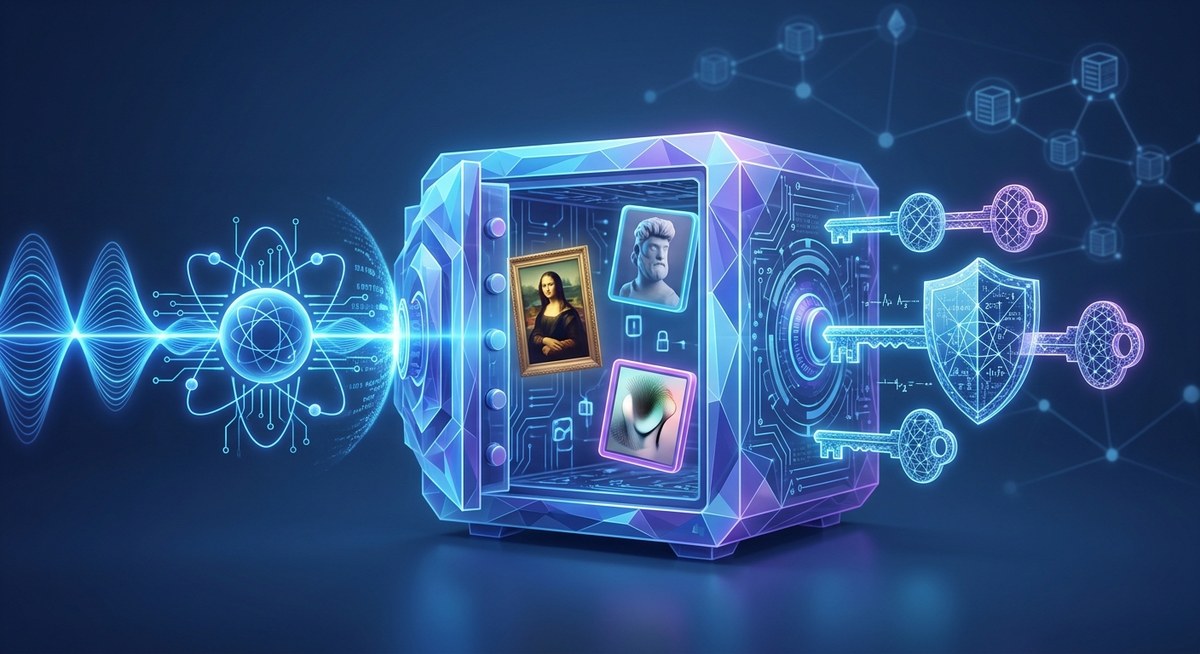
NFTs have transformed the way artists, collectors, and investors think about digital ownership. These unique digital assets, stored on blockchains, can be highly valuable. But as technology advances, a new threat looms on the horizon. Quantum computing promises incredible processing power that could compromise current blockchain security measures. Understanding how quantum computing impacts NFT security is vital for anyone holding or managing digital assets. Let’s break down what you need to know.
The quantum threat to blockchain and NFTs
Quantum computers can process complex calculations at speeds impossible for classical computers. This capability threatens to break the cryptographic algorithms that secure blockchain networks. Most NFTs are protected with cryptographic keys that rely on the difficulty of factoring large numbers or solving discrete logarithms. Quantum algorithms like Shor’s algorithm could potentially crack these keys, putting your digital assets at risk.
Imagine a quantum computer powerful enough to crack a wallet’s private key. Once this happens, an attacker could transfer your NFTs without your permission. This scenario is a real concern for the future of blockchain security. While such quantum computers are not yet available, their development is progressing rapidly. That’s why many experts advocate for shifting to post-quantum cryptography now.
How quantum computing could compromise NFT wallets
The core of NFT security lies in cryptographic algorithms used to generate wallet addresses and sign transactions. These include RSA, ECC (elliptic curve cryptography), and others. Quantum computers threaten these schemes because they can efficiently perform calculations that would take classical computers ages to solve.
The main risks include:
- Private key exposure: Quantum algorithms could derive private keys from public keys, enabling unauthorized access to wallets.
- Transaction tampering: Attackers could forge signatures, making fraudulent transactions appear legitimate.
- Asset theft: Once private keys are compromised, NFTs can be transferred or stolen.
The danger is particularly acute for wallets that reveal their public keys early or are stored insecurely. Collectors who hold large or valuable NFT collections must stay alert to these risks.
Practical steps to safeguard your NFTs against quantum threats
Preparing for a post-quantum future requires proactive measures. Here are key steps every collector should consider:
-
Use quantum-resistant wallets: Seek wallets that implement post-quantum cryptography. These wallets generate keys based on algorithms resistant to quantum attacks, such as lattice-based or hash-based schemes.
-
Avoid exposing your public key prematurely: Keep your public keys private until you need to sign a transaction. Once exposed, they could be targeted by quantum algorithms.
-
Stay informed on standards and upgrades: Follow developments from organizations like NIST, which are setting standards for post-quantum cryptography. Wallet and platform updates will incorporate these protections over time.
-
Secure your private keys: Use hardware wallets with secure elements and multi-signature setups. These reduce the risk of theft or exposure.
-
Regularly update your security practices: As the landscape evolves, so should your security methods. Transition to new wallet protocols as they become available.
-
Consider delayed transaction signing: Generate transactions offline and sign them in secure environments to prevent exposure of sensitive keys.
-
Backup your assets carefully: Store seed phrases and private keys securely offline. In the future, migrate assets to quantum-resistant wallets when they become available.
Technologies and solutions for post-quantum NFT security
Post-quantum cryptography (PQC) aims to develop algorithms that are secure against quantum attacks. Several promising techniques are emerging:
- Lattice-based cryptography: Uses mathematical lattices to create secure keys. Examples include CRYSTALS-Kyber and CRYSTALS-Dilithium.
- Hash-based cryptography: Relies on the security of hash functions. It’s proven to be quantum-resistant but can be less efficient.
- Code-based cryptography: Uses error-correcting codes, offering another avenue for quantum-safe algorithms.
Organizations like NIST are defining standards for PQC algorithms. Once these are standardized, blockchain platforms will incorporate them into their protocols.
Techniques versus mistakes
| Technique | Mistake to avoid |
|---|---|
| Transitioning early to quantum-resistant wallets | Relying solely on outdated cryptography |
| Keeping private keys offline | Exposing public keys publicly too soon |
| Using multi-signature wallets | Not updating security practices over time |
| Staying informed on PQC standards | Ignoring upcoming cryptography advances |
The shift to post-quantum cryptography isn’t just a future concern. It should be a priority for anyone managing digital assets today. Transitioning early minimizes risk and ensures your collection remains secure as technology evolves.
The current state of quantum-ready blockchain security
Most existing NFT platforms and wallets rely on classical cryptography. Transitioning to quantum-resistant solutions will require significant upgrades. Some projects are already experimenting with post-quantum algorithms, but widespread adoption may take years.
Blockchain developers are working on integrating these new algorithms into smart contracts and wallet standards. Platforms like Ethereum are exploring ways to incorporate quantum-resistant signatures, ensuring assets stay protected once quantum computers become a threat.
Practical process for future-proofing your NFT holdings
- Research: Find wallets and platforms that support post-quantum cryptography.
- Migration: Transfer your NFTs to quantum-resistant wallets when available.
- Update: Keep your software updated with the latest security patches.
- Educate: Follow industry updates from standards bodies and security researchers.
- Prepare: Develop a plan to migrate assets if necessary, including secure backups.
The future of blockchain security in a quantum world
The race to develop quantum-resistant blockchain solutions is well underway. Industry leaders recognize that waiting too long could jeopardize digital assets. As standards become finalized, expect wallets, exchanges, and marketplaces to roll out post-quantum features.
Many experts suggest that the transition to quantum-safe cryptography will be gradual. Early adoption, combined with ongoing education, is key. By acting now, collectors can minimize vulnerabilities and secure their NFT collections for the long term.
Final thoughts on quantum resilience for NFT collectors
Quantum computing poses a real but distant threat. Still, taking proactive steps today can safeguard your digital assets in the coming decades. Keep an eye on developments, prioritize secure storage, and choose wallets that plan to adopt post-quantum algorithms.
As blockchain technology evolves, so will security measures. Staying informed and prepared ensures your NFT collection remains protected against future threats. Remember, safeguarding your digital assets is an ongoing process, not a one-time fix.
Staying ahead in the quantum era
Moving forward, integrating quantum-resistant cryptography into your NFT security arsenal is essential. Begin by researching supported wallets and platforms. As standards are adopted, migrate your assets confidently. Regularly review your security practices and backups.
By understanding the risks and implementing informed strategies, you can enjoy the benefits of blockchain art while maintaining peace of mind. With a bit of foresight, your digital collection can thrive long into the quantum age.