The Hidden Metadata Layer: How Web3 Art Stores More Than Just Images
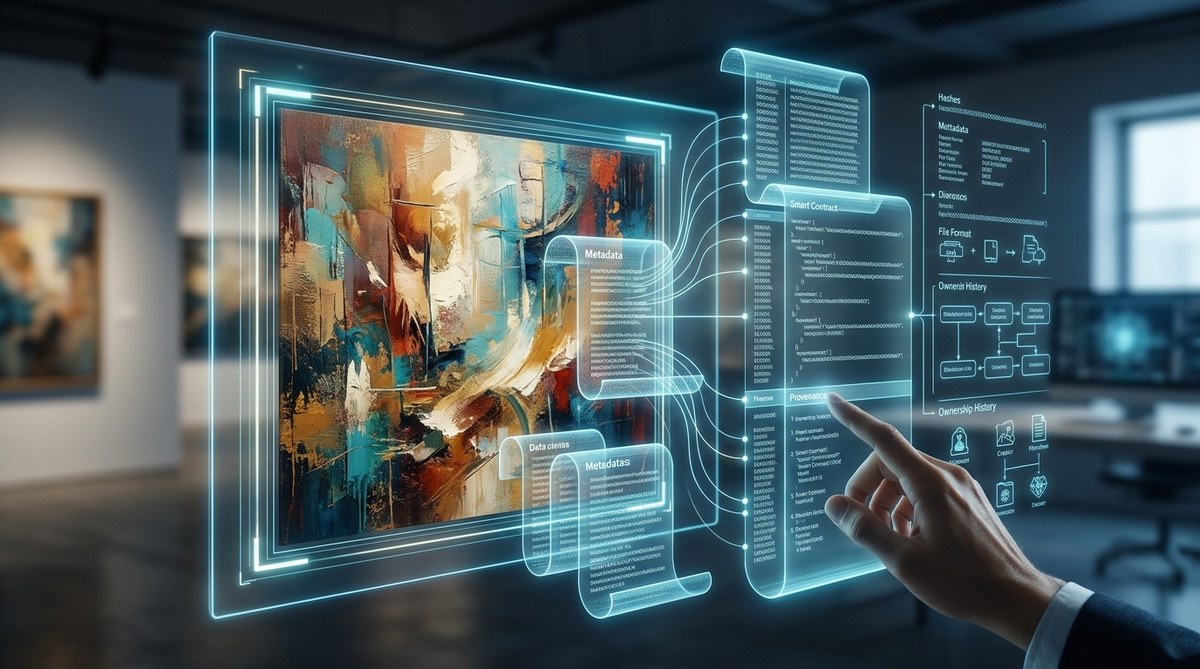
Web3 art has transformed how we think about ownership, authenticity, and provenance in the digital realm. But beneath the surface of stunning visuals and collectible NFTs lies a complex, often overlooked layer that holds the key to unlocking a richer, more reliable digital art experience. This is the Web3 art metadata layer. It stores a wealth of information beyond just the image itself, offering transparency, security, and insights for collectors, artists, and enthusiasts alike.
The Web3 art metadata layer holds vital data about digital artworks, including provenance, creator details, and on-chain attributes. This layer ensures transparency, authenticity, and long-term value in blockchain art collections, going far beyond the visible image or file.
What Is The Web3 art metadata layer?
At its core, the Web3 art metadata layer is a structured information system that accompanies each digital artwork or NFT. Unlike traditional art, where provenance and history are documented through physical certificates or records, Web3 art relies heavily on metadata stored on or linked to the blockchain. This metadata provides context, authenticity, and details about the piece that are crucial for verifying its origin and ownership.
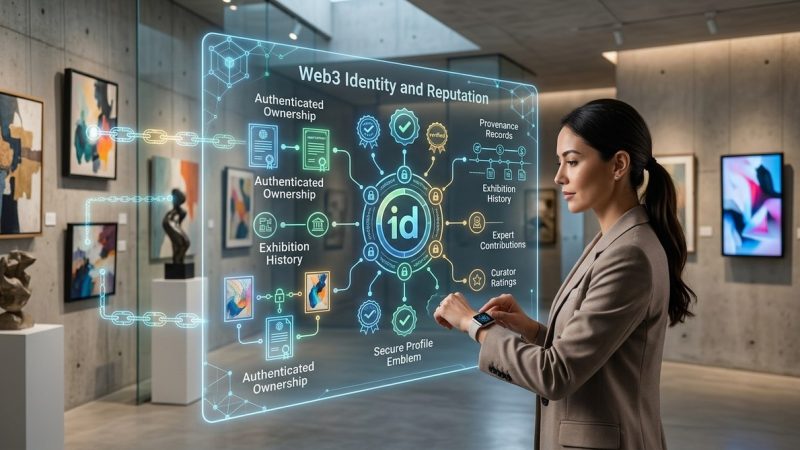
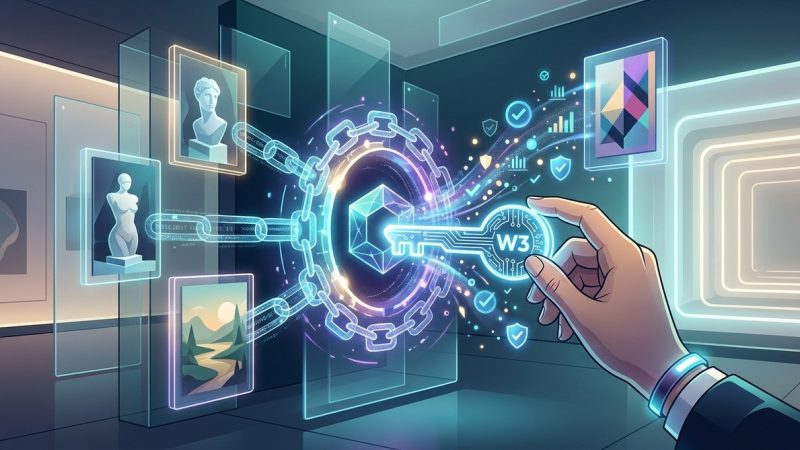
In simple terms, think of the metadata layer as the digital equivalent of an art certificate or provenance report. It contains data such as the artist’s name, creation date, edition number, previous owners, and even technical details like file formats or special features. Importantly, some of this data is stored directly on-chain, making it immutable and tamper-proof, while other parts are linked via decentralized storage networks.
Why The Metadata Layer Matters in Web3 Art
The significance of the metadata layer extends beyond mere information storage. It is the backbone that guarantees the integrity, transparency, and authenticity of digital art. Without a robust metadata layer, it becomes difficult to distinguish genuine works from copies or forgeries.
In traditional collecting, provenance records and certificates serve as proof of authenticity. In Web3, the metadata layer performs this role but with added security and permanence. It enables collectors to trace an artwork’s history, verify its creator, and ensure that the digital file they possess is the original.
Furthermore, the metadata layer unlocks advanced functionalities like dynamic artworks, on-chain royalties, and evolving NFTs. These innovations rely on the underlying data to adapt or respond to external conditions, making the layer an essential part of modern blockchain art.
How Web3 Art Stores More Than Just Images
Many people associate NFTs with digital images or GIFs. While these visual files are the most visible part, the real power lies in the metadata that describes, contextualizes, and connects these assets.
Here are some ways the metadata layer goes beyond images:
- Provenance and ownership history: Tracks every transaction and sale, ensuring transparency.
- Artist information and credentials: Embeds details about creators, including profiles and verified accounts.
- Edition and rarity data: Defines how many copies exist and their unique traits.
- Embedded unlockable content: Links to additional assets like high-resolution files, videos, or exclusive access.
- Smart contract data: Contains rules for royalties, licensing, and transfer conditions.
- On-chain attributes: Supports features like dynamic or evolving art that changes based on external data.
This layered approach ensures that each piece of digital art is not just a file but a comprehensive, verifiable artifact with a rich history and functionality.
Practical Steps to Leverage the Metadata Layer
For collectors, artists, or platforms wanting to harness the full potential of Web3 art, understanding how to interact with and utilize the metadata layer is essential. Here’s a simple process to follow:
- Identify the storage method: Confirm whether the metadata is stored directly on-chain or on decentralized storage like IPFS or Arweave.
- Verify the data integrity: Use blockchain explorers or metadata APIs to check if the data matches the original record.
- Examine the metadata content: Review details such as creator info, provenance, and additional assets linked within the metadata.
- Use tools to decode metadata: Platforms like OpenSea or Rarible automatically parse metadata, but third-party tools can offer deeper insights.
- Update or enhance metadata: For artists and creators, consider embedding dynamic data or unlockable content to increase engagement and value.
- Secure your assets: Store your wallet information and private keys safely, as metadata authenticity relies on blockchain security.
Techniques for Managing Web3 Art Metadata
Managing metadata effectively is vital for ensuring long-term value, authenticity, and ease of access. Here is a comparison of common techniques used and common pitfalls to avoid:
| Technique | Description | Common Mistake |
|---|---|---|
| On-chain storage | Embedding metadata directly into smart contracts | Excessive data can lead to high gas fees |
| Decentralized storage | Linking metadata via IPFS, Arweave, or similar | Metadata can become inaccessible if not pinned or maintained |
| Metadata standards | Using standards like ERC-721 or ERC-1155 | Inconsistent or non-standard metadata causes compatibility issues |
| Dynamic metadata | Updating metadata via smart contracts | Unauthorized updates or insecure links can compromise integrity |
Expert tip: Combining on-chain hashes with off-chain storage provides a balance of security and flexibility. Always pin your IPFS files to prevent data loss.
Common Mistakes in Handling Web3 Art Metadata
Despite its benefits, many collectors and creators stumble over metadata management. Here are some frequent errors:
- Relying solely on off-chain metadata without proper pinning or backups.
- Using non-standard formats that reduce interoperability.
- Forgetting to verify the smart contract’s data before purchase.
- Overlooking dynamic or evolving features that require regular updates.
- Neglecting security best practices, risking metadata tampering or loss.
Techniques and Mistakes at a Glance
| Technique | Mistake to Avoid |
|---|---|
| On-chain storage | Overloading contract storage, leading to high costs |
| Off-chain hosting | Ignoring pinning or backup, risking data loss |
| Standardization | Ignoring established standards like ERC-721 |
| Dynamic updates | Failing to secure update mechanisms |
The Future of the Web3 art metadata layer
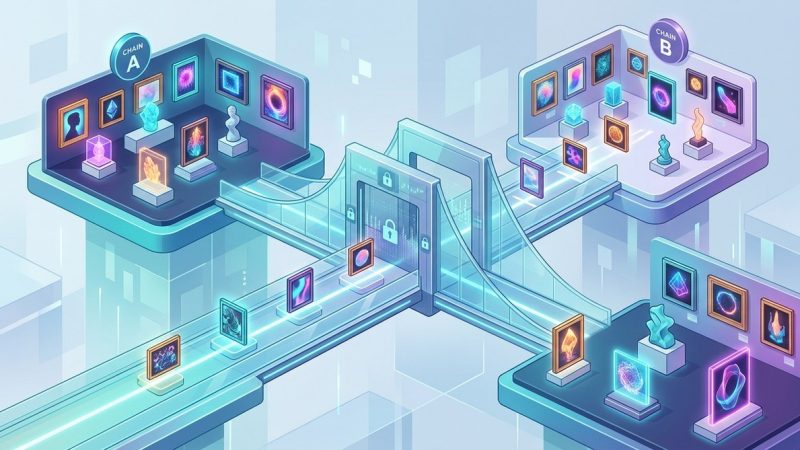
As blockchain technology advances, so will the capabilities of metadata layers. Innovations such as zero-knowledge proofs, encrypted metadata, and cross-chain interoperability will deepen the trust and functionality of digital art.
For example, artists may embed more detailed provenance or licensing info directly on-chain, making forgeries nearly impossible. Collectors could see real-time updates on asset condition or valuation, driven by external data feeds.
Moreover, emerging standards aim to unify metadata formats across platforms, simplifying the buying, selling, and curation process. This harmonization will foster more vibrant markets and authentic collections.
Keep an eye on developments like the NFT Metadata Standard and evolving blockchain protocols that support richer, more secure data.
Steps to Enhance Your Web3 Art Experience
- Educate yourself on metadata standards: Familiarize with ERC-721, ERC-1155, and emerging protocols.
- Use trustworthy platforms: Interact with marketplaces and tools that parse and verify metadata.
- Secure your digital assets: Maintain private keys and wallets safely to preserve metadata integrity.
- Advocate for transparent metadata: Support artists and platforms that prioritize open, verifiable data.
- Experiment with dynamic NFTs: Engage with artworks that adapt or respond to external data, increasing their appeal.
A Final Word on Deepening Your Web3 Art Journey
Understanding the hidden layers beneath the visual appeal of Web3 art unlocks a world of possibilities. By appreciating how the metadata layer functions, you gain tools to verify authenticity, enhance collection strategies, and support artists creating innovative, evolving works. Keep exploring and applying these principles in your digital art pursuits. The metadata layer is your gateway to a more transparent and valuable blockchain art ecosystem.