Why Web3 Identity and Reputation Systems Matter for Art Collectors
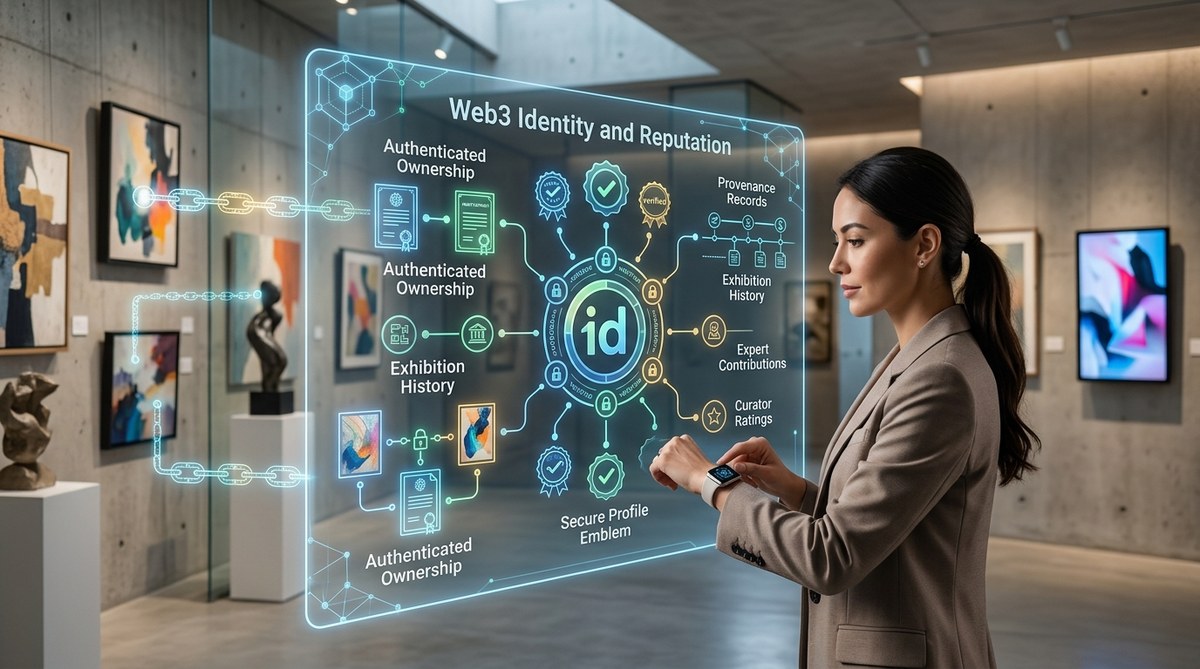
Imagine buying a stunning digital painting from a stranger online. You see the artwork, you check the transaction history, but can you really trust the person behind the wallet address? In the traditional art world, you’d ask around, visit galleries, and rely on established relationships. In Web3, you need a different kind of trust. That’s where Web3 identity and reputation systems come in. They’re not just buzzwords. They’re the tools that let you know who you’re dealing with, what they’ve collected, and whether they’re a genuine part of the community. Let’s break down why this matters for art collectors in 2026.
Web3 identity systems let you prove your collecting history, expertise, and community involvement without relying on a central authority. Reputation scores, soulbound tokens, and verifiable credentials help you spot trustworthy peers and artists. By building a strong on-chain persona, you gain access to private drops, curation roles, and deeper trust in every transaction.
What Is Web3 Identity and Why Does It Matter for Art Collectors
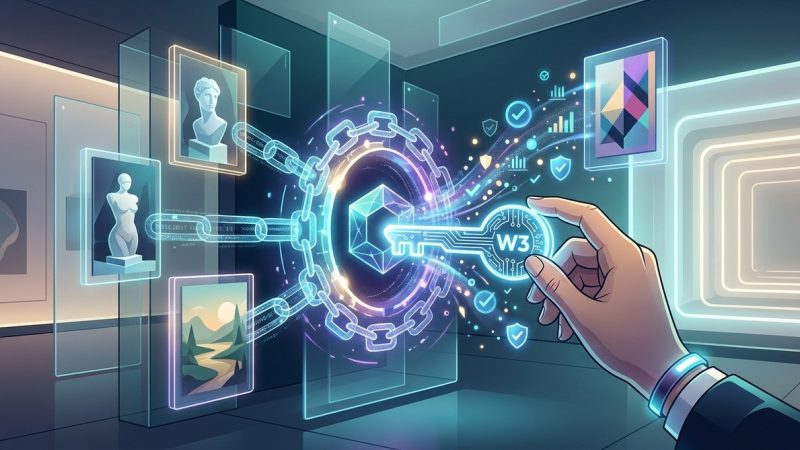
In simple terms, Web3 identity is your digital self that you control. Instead of logging in with Google or Facebook, you prove who you are using cryptographic keys. A decentralized identifier (DID) lives on the blockchain and can be linked to your wallet, your ENS name (like yourname.eth), or other credentials you choose to share.
For art collectors, this means you can carry your reputation wherever you go. When you move from one marketplace to another, your identity doesn’t start from zero. Your previous purchases, your curator badges, and your community participation follow you. That’s huge. It builds trust across platforms and helps you find other serious collectors without needing a middleman.
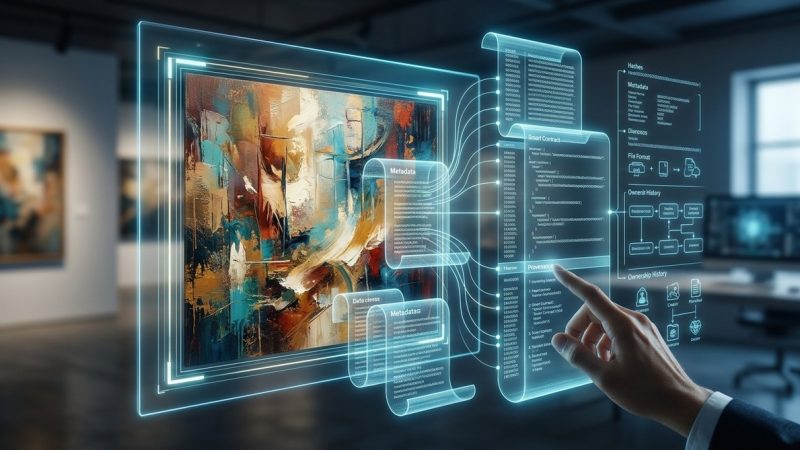
Traditional systems rely on intermediaries like galleries or auction houses to vouch for you. In Web3, the blockchain itself becomes the trust layer. Every transaction you make, every piece you mint, and every review you leave is recorded immutably. Over time, this creates a rich, portable reputation that tells your story as a collector.
How Reputation Systems Change the Game for Collectors
Reputation systems in Web3 go beyond simply showing your wallet balance. They track your behavior and contributions. Some platforms reward you for curating exhibitions, attending virtual gallery openings, or writing thoughtful reviews. Others use algorithms to calculate a “collector score” based on the diversity and quality of your holdings.
Why should you care? Because a strong reputation opens doors. You’ll get early access to exclusive drops. Artists will recognize your name and may offer you private sales. Other collectors will trust you enough to trade or co-invest in fractional pieces. It’s like having a VIP pass that grows with your activity.
Here are the main benefits of a good Web3 reputation as an art collector:
- Provenance on your persona – Every piece you’ve owned is linked to your identity, making it easy to show your collecting history.
- Community trust – You can verify that other collectors are real humans (or at least serious participants) rather than bots or speculators.
- Curated opportunities – Platforms and artists can invite you to join private channels, auctions, or DAOs based on your reputation.
- Reduced fraud – With transparent on-chain activity, it’s harder for scammers to fake a credible identity.
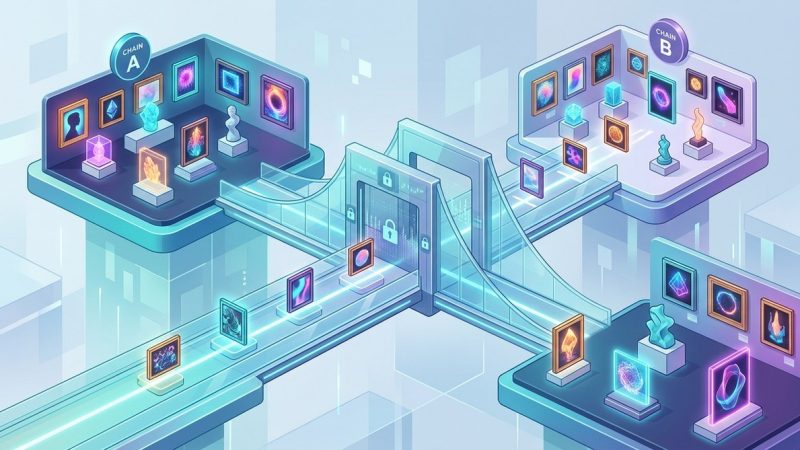
- Portable across blockchains – Many reputation protocols work across Ethereum, Polygon, Solana, and more, so your identity follows you.
To understand how smart contracts underpin these systems, read our guide on how smart contracts are revolutionizing art ownership.
Three Steps to Establish Your Web3 Identity as a Collector
Building your identity doesn’t happen overnight, but you can start today. Follow these three steps to create a trustworthy, useful persona.
-
Choose a primary wallet and a human-readable name. Get an ENS domain (yourname.eth) or a similar service like Unstoppable Domains. This becomes your username across dApps. Set it as your primary display name in marketplaces. It’s the easiest way for others to recognize you.
-
Link your social profiles and portfolio. Many platforms let you connect your Twitter, Lens, or Farcaster account to your wallet. This adds a layer of human verification. Also, attach a link to your portfolio (a website or a curated list of your top pieces). This helps others see your taste and experience.
-
Earn reputation through community participation. Attend virtual gallery openings, join Discord discussions, vote on DAO proposals, and curate public collections. Each action can generate “proof of attendance” tokens (POAPs) or curator badges. Over time, these accumulate and form a rich record of your involvement.
For a deeper look at how to build your collection and reputation simultaneously, check out our guide on how to build a valuable digital art collection from scratch.
Reputation Signals Every Collector Should Understand
Not all reputation signals are created equal. Some are easy to fake, while others provide genuine insight. The table below breaks down common signals, what they indicate, and red flags to watch for.
| Signal Type | What It Shows | Red Flags |
|---|---|---|
| Wallet age and transaction count | Longevity and activity level | Very old wallet with zero art transactions (maybe a dummy account) |
| Average hold time | How long you keep pieces before selling | Very short hold times suggest flipping, not collecting |
| Curator badges and POAPs | Community involvement and event attendance | Lots of badges from obscure, low-quality events |
| Collection diversity | Range of artists and genres you own | All same collection or artist (could be a marketing bot) |
| Reviews and ratings from peers | How others perceive your trustworthiness | No reviews or only self-reviews |
| Social profile linked | Human identity and reach | Account created last week with no posts |
Use these signals together. A single red flag doesn’t mean someone is bad, but a pattern of them should make you pause.
The Role of Soulbound Tokens in Art Collecting
Soulbound tokens (SBTs) are a special type of NFT that cannot be transferred. Once you earn one, it stays in your wallet forever. This makes them perfect for reputation. They can represent anything from a course completion to a curator title to a membership in a collector’s guild.
Because SBTs are non-transferable, they can’t be bought or sold. You have to earn them. That gives them real weight. If you see someone holding a “Master Curator” SBT from a respected gallery, you know they actually did the work.
“Soulbound tokens are like diplomas or medals. They prove you earned something through time, skill, or contribution. In a world of speculative NFTs, SBTs bring back meaning to digital ownership.” – Alex Rivera, founder of a decentralized art collective
For a closer look at how these tokens are changing authentication and membership, read our article on soulbound tokens revolutionizing digital art authentication.
Avoiding Common Mistakes in Building Your Web3 Persona
Even well-intentioned collectors can stumble. Here are pitfalls to sidestep:
- Using the same wallet for everything. Your main collecting wallet should be separate from your everyday spending wallet. This prevents accidental transactions and keeps your reputation clean.
- Chasing easy reputation. Some platforms let you pay for badges or upvotes. These are often seen as spam and can hurt your credibility with serious peers.
- Ignoring privacy. You don’t have to reveal your real identity. You can maintain a pseudonym with a strong on-chain reputation. Privacy and reputation aren’t opposites.
- Failing to verify others. Don’t trust a wallet just because it has a high score. Look at the underlying signals we discussed. Scammers can sometimes game basic metrics.
For more on staying safe, see our guide on 7 red flags every digital collector should watch for before buying.
Your Web3 Identity Is Your Digital Legacy
The art you collect and the reputation you build become part of your digital story. In 2026, a well maintained Web3 identity is more than a convenience. It’s a key that unlocks access to the best opportunities. It signals to artists, galleries, and fellow collectors that you are serious, knowledgeable, and trustworthy.
Start small. Claim your ENS name. Attend a virtual opening and grab a POAP. Join a collector’s DAO. Every step adds a block to your reputation. Over time, your identity will speak for itself, and you’ll find yourself welcomed into circles that were previously out of reach. The blockchain remembers, and so will the community.