Why Web3 Wallets Are More Than Just Crypto Storage for Art Collectors

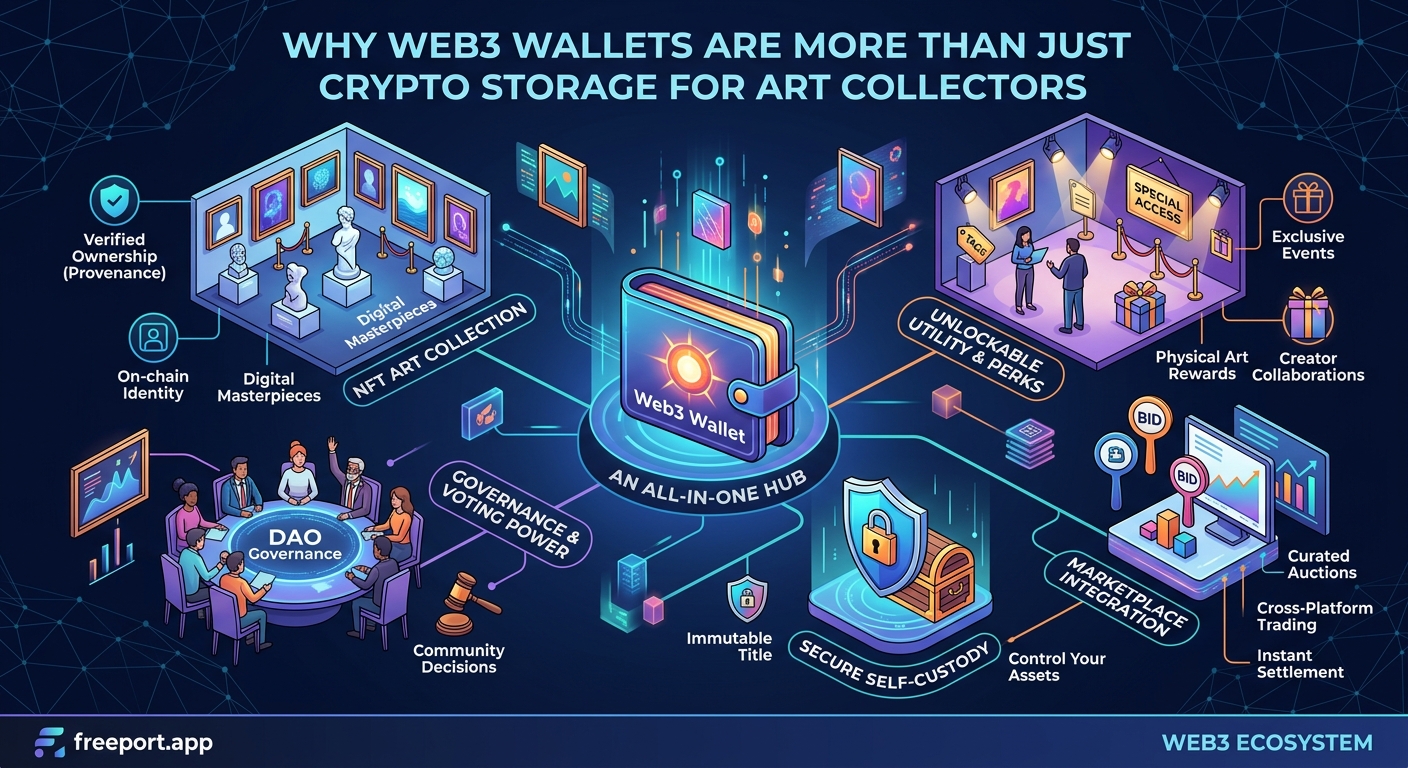
Most art collectors think of web3 wallets as simple vaults for cryptocurrency. That’s like treating a smartphone as just a calculator. Your wallet is actually your identity, your gallery access card, your authentication tool, and your gateway to an entirely new art ecosystem. It’s the difference between owning a piece and truly participating in the art world being built right now.
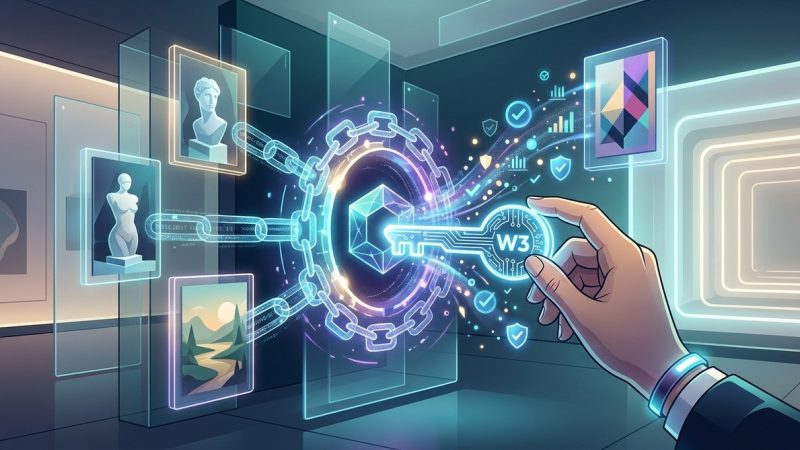
Web3 wallets for art collectors serve as digital identity tools, provenance trackers, and access keys to exclusive exhibitions and communities. They authenticate ownership through blockchain verification, automate artist royalties via smart contracts, enable participation in collector DAOs, and provide portable galleries that work across platforms. Your wallet becomes your permanent art passport in the decentralized ecosystem.
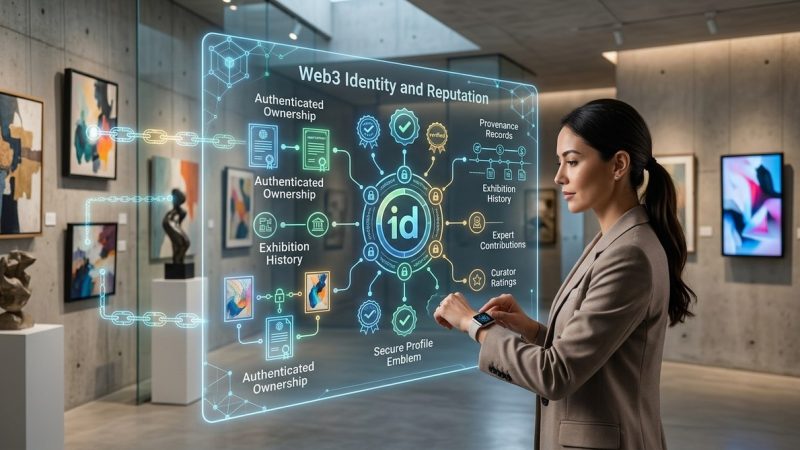
Your wallet is your verified identity in the art world
Traditional art collecting requires building relationships with galleries, attending openings, and establishing credibility over years. Web3 wallets compress that timeline dramatically.
When you connect your wallet to a platform, everyone can see your collection history instantly. Galleries notice collectors who supported artists early. Artists see who holds their work long term versus flipping immediately. This transparency creates reputation without intermediaries.
Your wallet address becomes your collector profile. People recognize addresses the way they once recognized names at auction houses. Some collectors build entire reputations around a single address, curating it like a public portfolio.
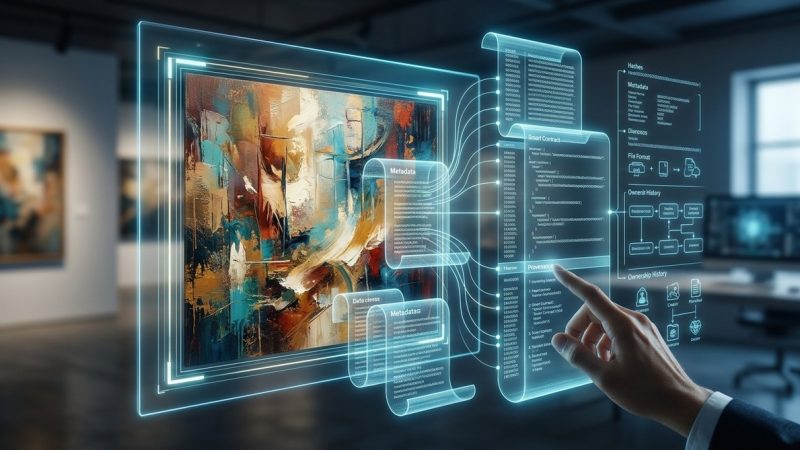
The verification works both ways. Before purchasing, you can verify the seller’s wallet contains the authentic piece. You can see the complete ownership chain back to the original artist. How smart contracts are revolutionizing art ownership and provenance makes this authentication automatic and permanent.
Wallets grant access to exclusive collector experiences
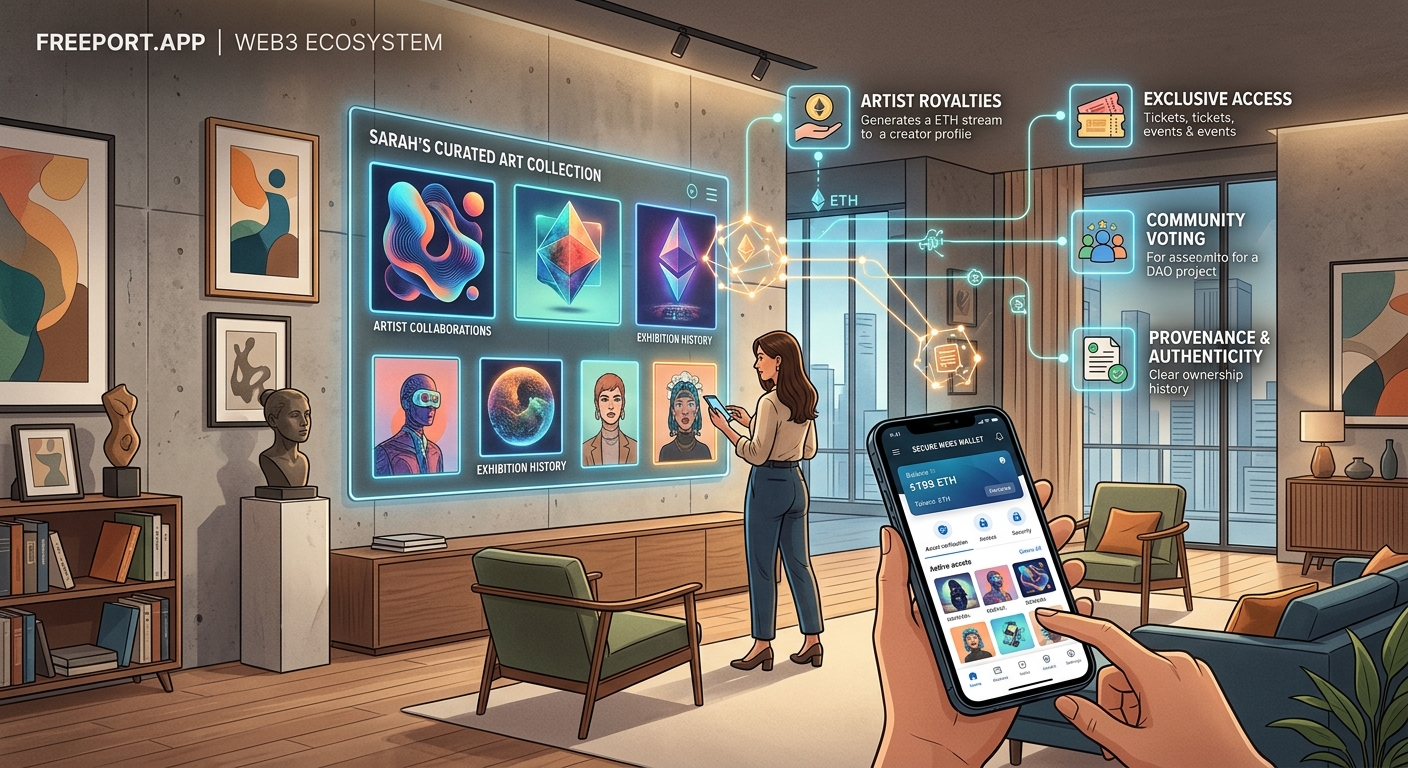
Physical galleries use velvet ropes. Digital galleries use token gating.
Owning specific artworks in your wallet unlocks experiences unavailable to the general public:
- Private Discord channels where artists share work in progress
- Early access to new releases before public minting
- Exclusive virtual gallery openings in metaverse spaces
- Physical exhibition invitations for token holders only
- Voting rights on community decisions and future projects
Why museums are building blockchain art collections increasingly use this model. Your wallet becomes your membership card, but one that appreciates in value rather than expiring annually.
Some artists create tiered access systems. Holding one piece grants basic access. Collecting multiple works from a series unlocks deeper engagement. The art itself becomes the key.
Smart contracts automate what galleries once managed
Traditional art sales involve complicated paperwork for royalties, authentication certificates, and transfer of ownership. Your wallet handles all of this automatically.
When you purchase art, the smart contract records the transaction on the blockchain. If you later sell the piece, the contract automatically sends a percentage to the original artist. No invoices, no disputes, no forgotten payments.
This automation extends to fractional ownership too. Fractional ownership is changing digital collecting forever by allowing multiple wallets to hold shares of a single expensive artwork. The smart contract manages ownership percentages and distributes any sale proceeds proportionally.
Your wallet also stores proof of authenticity. Instead of a paper certificate that could be forged or lost, the blockchain record is permanent and publicly verifiable. Anyone can confirm your piece is genuine by checking the contract address.
Setting up your collector wallet the right way
Getting started requires more thought than downloading an app and clicking through prompts. Security matters far more when your wallet contains valuable art.
- Choose a wallet that supports the blockchains where you plan to collect (Ethereum, Tezos, Solana, etc.)
- Write down your seed phrase on physical paper and store it somewhere fireproof and private
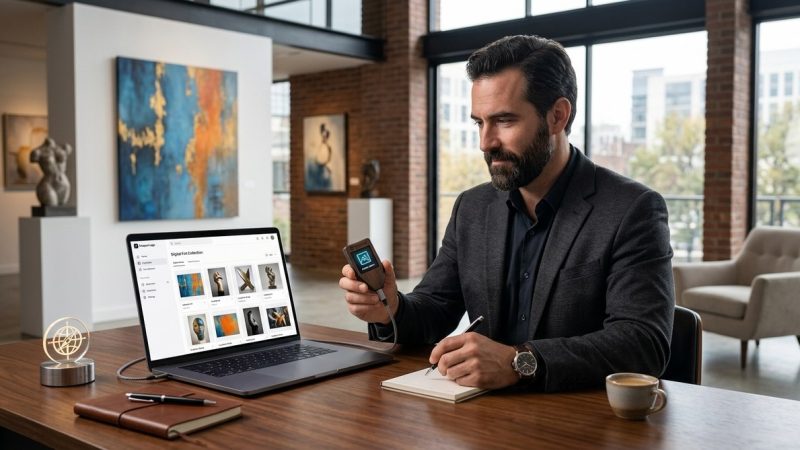
- Set up a hardware wallet for high value pieces (Ledger or Trezor)
- Create a separate “browsing” wallet with minimal funds for connecting to new platforms
- Enable all available security features including biometric authentication
- Test small transactions before moving valuable assets
Never store your seed phrase digitally. Screenshots, password managers, and cloud storage all create vulnerability. The physical backup is non negotiable.
The complete guide to storage and security for high value digital assets covers advanced protection strategies as your collection grows.
Wallets enable cross platform portability
Buy art on one platform, display it on another, sell it on a third. Your wallet makes this possible because you actually own the asset, not just a license to view it.
This portability fundamentally changes collecting. Traditional digital art often locks you into a single platform’s ecosystem. If that platform closes, your access disappears. What happens to your blockchain art when the platform shuts down becomes irrelevant when the art lives in your wallet, not on their servers.
You can display pieces from your wallet in virtual galleries, metaverse spaces, digital frames, or even physical displays with connected screens. The same artwork adapts to different contexts without requiring separate purchases or permissions.
This also means you can participate in multiple marketplaces simultaneously. List a piece for sale on three different platforms using the same wallet. Whichever sells first automatically updates across all platforms because they all reference the same blockchain record.
Participating in collector communities and DAOs
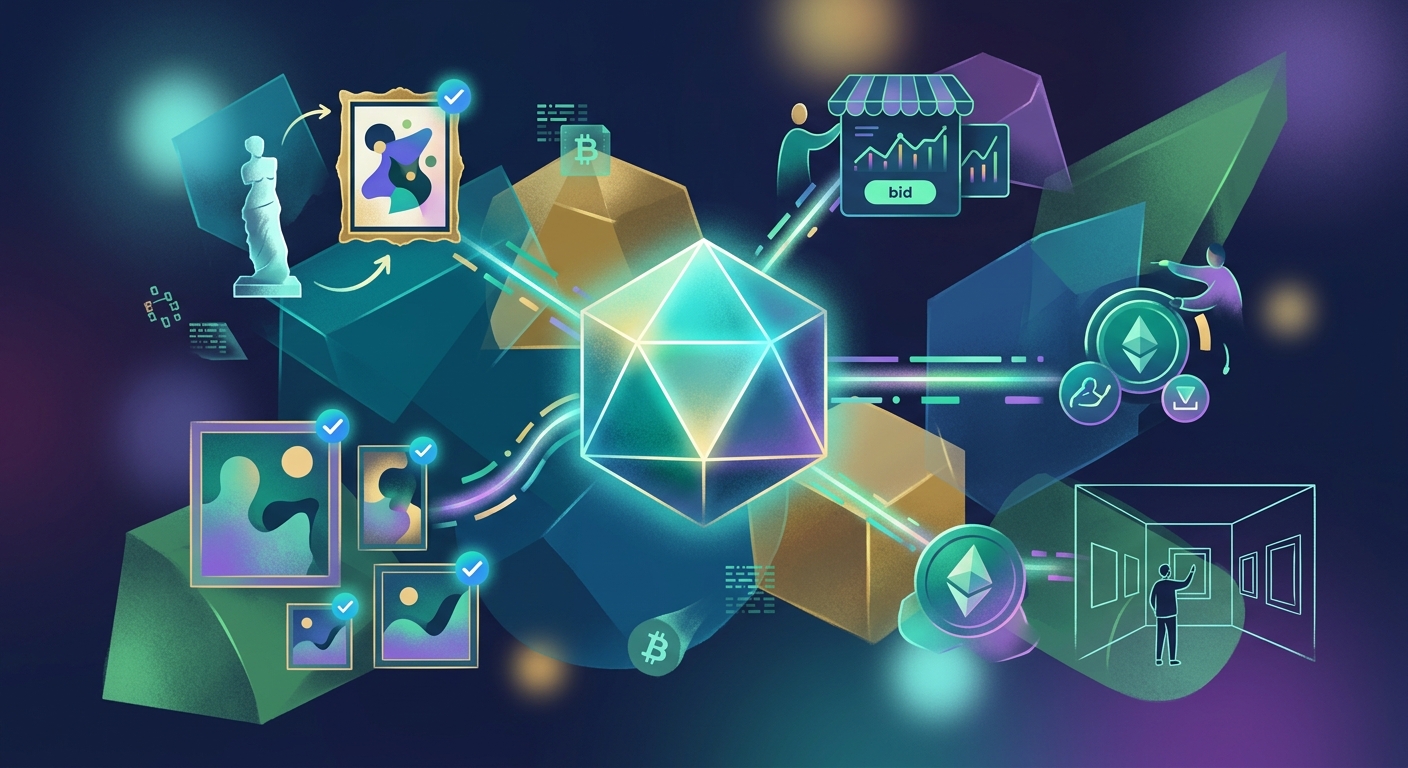
Web3 wallets let you join decentralized autonomous organizations focused on art collecting. These DAOs pool resources from multiple collectors to acquire pieces no individual member could afford alone.
Your wallet holds governance tokens that determine your voting power in acquisition decisions. Own more tokens, get more say in what the DAO purchases. Some DAOs distribute fractional ownership of acquired pieces back to members based on their participation.
Decentralized autonomous organizations for art collectors: a beginner’s guide explains how these communities function. The key point is your wallet enables participation without any central authority managing membership or voting.
These communities often develop expertise in specific niches. One DAO might focus on generative art on the blockchain: where code meets canvas, while another specializes in photography or 3D work. Your wallet can hold membership in multiple DAOs simultaneously.
Managing royalties and artist compensation
Traditional art sales compensate artists once. Resales generate profits only for collectors and galleries. Web3 wallets enforce ongoing artist compensation automatically.
When you sell a piece from your wallet, the embedded smart contract calculates the artist’s royalty percentage and sends payment directly to their wallet. This happens in the same transaction as your sale. There’s no delay, no paperwork, no possibility of “forgetting” to pay.
Understanding royalties and resale rights in your digital art purchases varies by platform and artist preference. Most range from 5% to 15% of the sale price. Your wallet handles the calculation and distribution regardless of the percentage.
This creates sustainable income for artists from their back catalog. A piece sold years ago continues generating revenue if it appreciates and changes hands multiple times. Your wallet makes you part of supporting artists long term, not just at initial purchase.
Common wallet mistakes collectors make
| Mistake | Why It Hurts | Better Approach |
|---|---|---|
| Using one wallet for everything | Single point of failure risks entire collection | Separate wallets for high value pieces, browsing, and daily transactions |
| Storing seed phrase digitally | Hackers target digital storage | Physical paper backup in secure location |
| Ignoring gas fees | Expensive transactions eat into budget | Time purchases during low network activity |
| Not verifying contract addresses | Scam contracts steal assets | Always check official sources before connecting wallet |
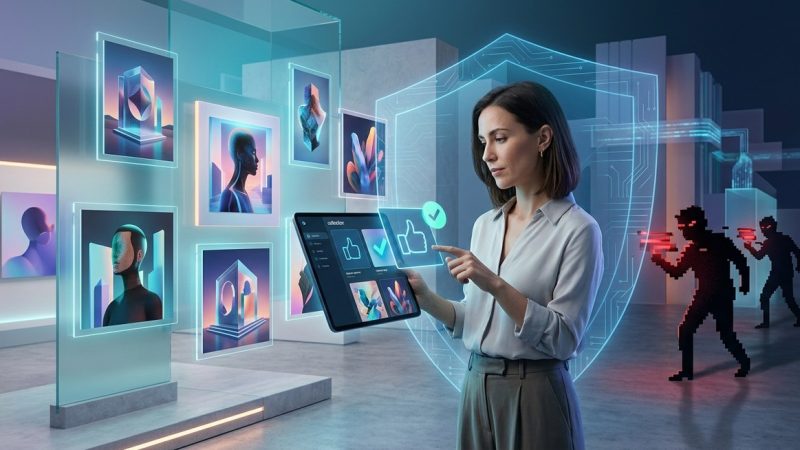
| Connecting to every new platform | Malicious sites drain wallets | Use burner wallet for untrusted sites |
7 common mistakes new NFT collectors make and how to avoid them covers these pitfalls in detail. The most expensive lesson is usually the one about seed phrase security.
New collectors often treat wallet security casually until they lose something valuable. The blockchain provides no customer service to call. No password reset option exists. Lost access means lost art, permanently.
Understanding wallet types for different collecting needs
Not all wallets serve the same purpose. Serious collectors typically use multiple wallet types for different functions.
Hot wallets stay connected to the internet for convenient transactions. MetaMask, Rainbow, and Phantom fall into this category. They’re perfect for browsing platforms, making purchases, and participating in communities. The tradeoff is increased vulnerability to online attacks.
Cold wallets store assets offline on physical devices. Ledger and Trezor hardware wallets protect high value pieces by keeping private keys completely disconnected from the internet. Moving assets in and out takes more steps, but security justifies the inconvenience.
Some collectors use a three wallet system. A browsing wallet with minimal funds connects to new platforms and tests transactions. A trading wallet holds pieces actively being bought and sold. A vault wallet on cold storage protects long term holdings and what makes a digital collection blue chip: analyzing long term value indicators.
Custodial wallets let platforms hold your private keys, similar to how banks hold your money. Coinbase Wallet and some exchange wallets work this way. They’re convenient but contradict the core principle of web3: you should control your own assets. Most serious collectors avoid custodial options for valuable art.
Wallets as exhibition spaces
Your wallet doesn’t just store art. It displays it.
Many platforms let you create public galleries from your wallet contents. Anyone can browse your collection by viewing your wallet address on a block explorer or dedicated gallery site. Some collectors curate their wallets as carefully as museum directors arrange exhibitions.
The presentation possibilities keep expanding. Should you display your digital collection in the metaverse or physical galleries explores various options, but all start with your wallet as the source of truth.
Digital frames connected to your wallet can rotate through your collection in your home. Virtual reality galleries let visitors walk through 3D spaces filled with your pieces. Social platforms display your collection as a verified badge of taste and investment.
Some collectors maintain separate wallets for different aesthetics. One wallet holds only black and white photography. Another focuses on abstract generative pieces. This curatorial approach helps build coherent public portfolios that attract attention from galleries and other collectors.
“Your wallet is your reputation in web3. What you collect, how long you hold it, and how you engage with artists all become part of your public profile. Treat your wallet address like your signature on the art world.”
Connecting wallets across multiple blockchains
Different artists and platforms prefer different blockchains. Ethereum dominates but Tezos, Solana, and others host significant art communities. Collectors need strategies for managing assets across chains.
Multi chain wallets like MetaMask and Phantom support several blockchains from one interface. You can view Ethereum NFTs and Solana pieces in the same app, though they’re technically separate wallets under the hood.
Bridge services let you move assets between blockchains, though this process carries risks. Cross chain bridges: moving your digital art collection between blockchains safely requires understanding smart contract security and bridge vulnerabilities.
Some collectors maintain dedicated wallets for each blockchain. This simplifies security but complicates portfolio tracking. Aggregator platforms like Rainbow and Zapper pull data from multiple wallets to show your complete collection in one view.
The blockchain you choose affects more than just technical details. Comparing ethereum, solana, and tezos: which blockchain offers the best roi for collectors influences transaction costs, environmental impact, and which artist communities you can access.
Building your collection strategy with wallet analytics
Your wallet generates data about your collecting patterns. Smart collectors analyze this information to refine their strategy.
Wallet analytics tools show which pieces appreciate most, how long you typically hold before selling, and which artists in your collection gain the most secondary market activity. This data helps identify how to identify undervalued digital collections before they trend.
You can also analyze other collectors’ wallets to learn from successful strategies. Which pieces do respected collectors hold long term? What new artists are they supporting? Public blockchain data makes this research possible without feeling invasive because the information is intentionally transparent.
Portfolio tracking becomes automatic. Instead of manually updating spreadsheets, your wallet balance reflects real time values based on recent sales of similar pieces. Some platforms even provide estimated valuations for your entire collection.
Tax reporting tools connect to your wallet and generate transaction histories for accountants. This automation saves hours during tax season and ensures you don’t miss deductible losses or underreport gains.
Your wallet is your art world passport
Web3 wallets for art collectors represent far more than cryptocurrency storage. They’re authentication systems, gallery access cards, royalty payment processors, and portable exhibition spaces all rolled into one.
The collectors thriving in this space treat their wallets as carefully as traditional collectors maintain their gallery relationships. Security comes first. Curation matters. Participation in communities builds reputation. The art you hold shapes how others perceive your taste and commitment.
Start with one secure wallet. Make a small purchase from 7 blockchain artists redefining contemporary digital art in 2026. Connect with a collector DAO. Display your first piece publicly. Each step teaches you something traditional collecting never could, because your wallet makes you an active participant in the ecosystem, not just a buyer passing through.
The art world you’re entering doesn’t have gatekeepers deciding who belongs. Your wallet is your ticket. What you do with it determines where you go next.